What is a robot servo and how does it work?

Robot servos are essential components in robotics, enabling precise control of movement. These specialized motors provide feedback and control, making them vital in applications ranging from industrial automation to hobbyists’ projects. Understanding how a robot servo works requires exploring its key features and functionalities.

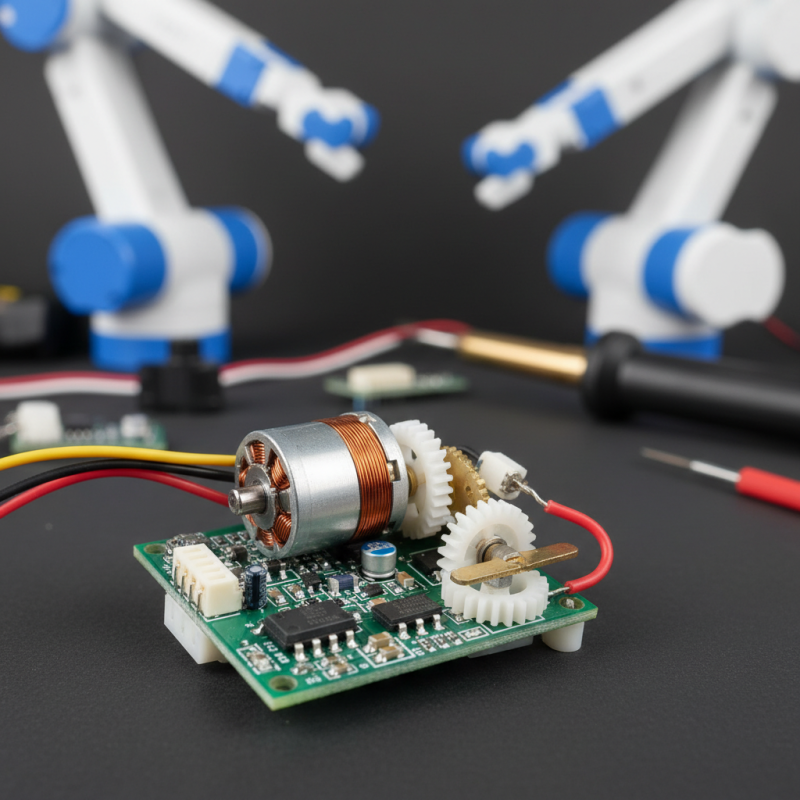
A robot servo typically consists of a motor, a controller, and a feedback mechanism. The motor generates motion based on signals it receives. The controller interprets the desired position or speed. Feedback ensures the servo reaches the correct position accurately. This closed-loop system allows for reliable and repeatable movements. However, not all servos are equally efficient. Some may struggle with response time or accuracy under specific loads.

In the evolving field of robotics, the importance of robot servos cannot be overstated. While they offer advanced capabilities, challenges do arise. Factors such as mechanical wear and electrical noise can affect performance. Continuous learning and adaptation are essential to maximize their potential. Understanding these intricacies can lead to improved designs and applications in robotics.
What is a robot servo and how does it work?

What is a Robot Servo?

What is a robot servo and how does it work?

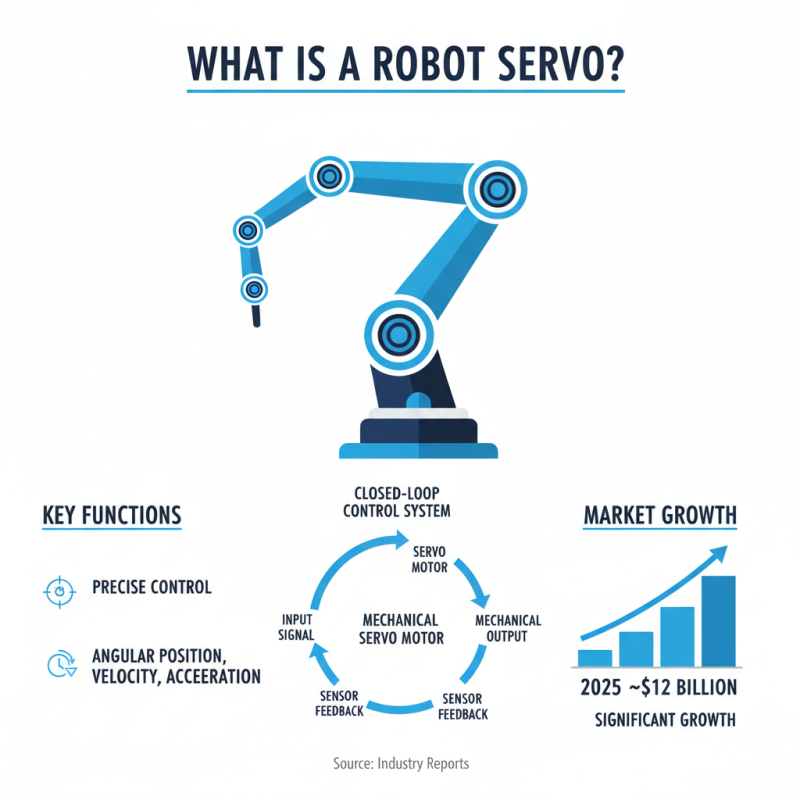
A robot servo is a crucial component in robotic systems. It allows precise control of angular position, velocity, and acceleration. This functionality is achieved through a closed-loop control system, which continuously adjusts the servo’s output based on feedback. Industry reports indicate that the global servos market is expected to grow significantly, reaching approximately $12 billion by 2025.

These devices operate via a motor, typically a DC or stepper motor, coupled with a feedback sensor. The sensor monitors the output position and communicates it back to the controller. This closed loop ensures accuracy, making servos ideal for tasks requiring high precision. For instance, in robotic arms or drones, a robot servo plays a vital role in executing complex movements smoothly.

Tips: When choosing a servo, consider its torque and speed ratings. Understanding these specifications will help in selecting the right servo for your application.

It’s important to note that while servos are highly efficient, they can also introduce errors. These discrepancies often arise from mechanical wear or misalignment over time. Regular maintenance and calibration are essential to maintain accuracy and extend the life of the servo.

Another key factor is thermal performance. Servos can overheat if used continuously at high loads, reducing their lifespan. Monitoring operational conditions is necessary to prevent failure.
The Functionality of Servos in Robotics

Servo motors play a crucial role in robotics. They provide precise control over movement, making them essential for various applications. According to a report by MarketsandMarkets, the servo motor market is expected to grow significantly, reaching $8.3 billion by 2026. This growth underscores their importance in automation and robotics.

The functionality of servos in robotics hinges on their ability to regulate position, speed, and torque. A typical servo consists of a motor, a controller, and a feedback device. This configuration allows for continuous or angular movement. Servos are often used in robotic arms, drones, and wheeled robots, enhancing their agility and responsiveness.

Tips: When selecting a servo, consider the torque and speed requirements of your specific application. Evaluate the feedback method, as it influences precision. Small adjustments can yield significant improvements in performance. Regularly assess the wear and tear on servo systems to ensure reliability.

Types of Robot Servos and Their Applications

Robot servos play a vital role in various robotic systems, allowing precise control of movement. Three main types of servos exist: continuous rotation, positional rotation, and linear servos. Each type has unique applications tailored to specific needs.

Continuous rotation servos are often used in mobile robots. They allow 360-degree rotation, which is crucial for wheels and other continuous motion applications. Positional rotation servos offer limited rotation and are commonly used in robotic arms for precise positioning. Linear servos, on the other hand, convert rotational motion into linear motion, ideal for applications like pushing or pulling.

**Tips:** When selecting a servo, consider the required torque and speed. Understand the application demands for better efficiency. Regularly inspect servos for wear, as maintenance is key to longevity. Some designs might not meet specific needs, so be open to re-evaluation.

The Mechanics of Servo Motors: How They Operate

Servo motors are crucial components in robotics. They provide precise control over angular position, velocity, and acceleration. Typically, a servo motor consists of a motor, a sensor to measure position, and a control circuit. This combination allows the motor to move and maintain its position accurately. Unlike traditional motors, servo motors can adjust their movements based on feedback, making them ideal for tasks that require precision.

When a signal is sent to the servo, the control circuit interprets it. This signal determines where the motor should move. The feedback sensor continuously monitors the motor's current position. If there is any discrepancy between the target position and the actual position, the control circuit makes real-time adjustments. This process ensures smooth and accurate movements.

Despite their capabilities, servo motors can have limitations. The response time may not always be sufficient for high-speed applications. Some users mistakenly assume they can replace regular motors with servos in every scenario. This misstep can lead to performance issues. Understanding when and where to use servo motors is essential for optimal results.

Common Uses of Robot Servos in Modern Technology

What is a robot servo and how does it work?

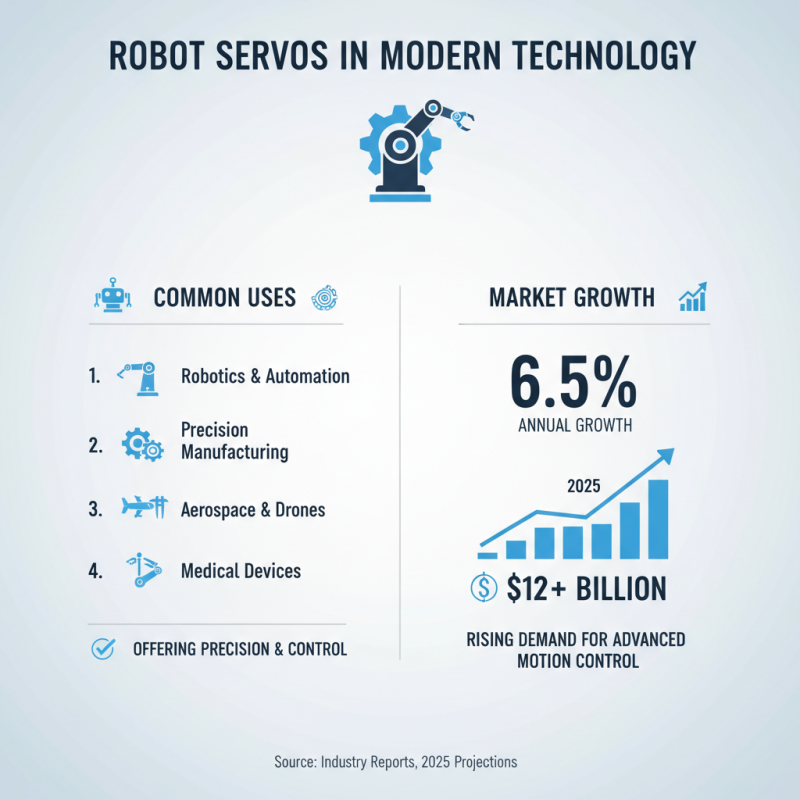
Robot servos play a crucial role in modern technology, offering precision and control in various applications. Their applications range from robotics to automation, significantly enhancing efficiency. According to industry reports, the global servo motor market is projected to grow by 6.5% annually, reaching over $12 billion by 2025. This growth indicates a rising demand for advanced motion control systems.

In robotics, servos are widely used for joint movement, allowing robots to perform complex tasks. They provide accurate positioning, which is vital in fields like manufacturing and healthcare. For example, robotic arms rely on servos for tasks such as assembly and surgery, where precision is paramount. It’s notable that while robot servos are effective, they can sometimes struggle with heavy loads or extreme conditions, highlighting the need for ongoing testing and improvement.

**Tip:** When selecting a servo for your project, consider the torque and speed requirements. High torque servos are essential for heavy lifting, but they can also be more costly. Balancing performance with your budget is key.

Another common application is in consumer electronics. Servos drive mechanisms in devices such as cameras and drones. They enable functions like zooming or tilting, enhancing user experience. These applications also present challenges; servos can experience failures due to wear over time. Regular maintenance and monitoring can help mitigate these risks.

**Tip:** Always account for the environment where servos will operate. Dust, moisture, and temperature extremes can affect performance.

SERVO-ROBOT Inc
Privacy Overview

This website uses cookies so that we can provide you with the best user experience possible. Cookie information is stored in your browser and performs functions such as recognising you when you return to our website and helping our team to understand which sections of the website you find most interesting and useful.