Top Robotic Camera System Suppliers Worldwide
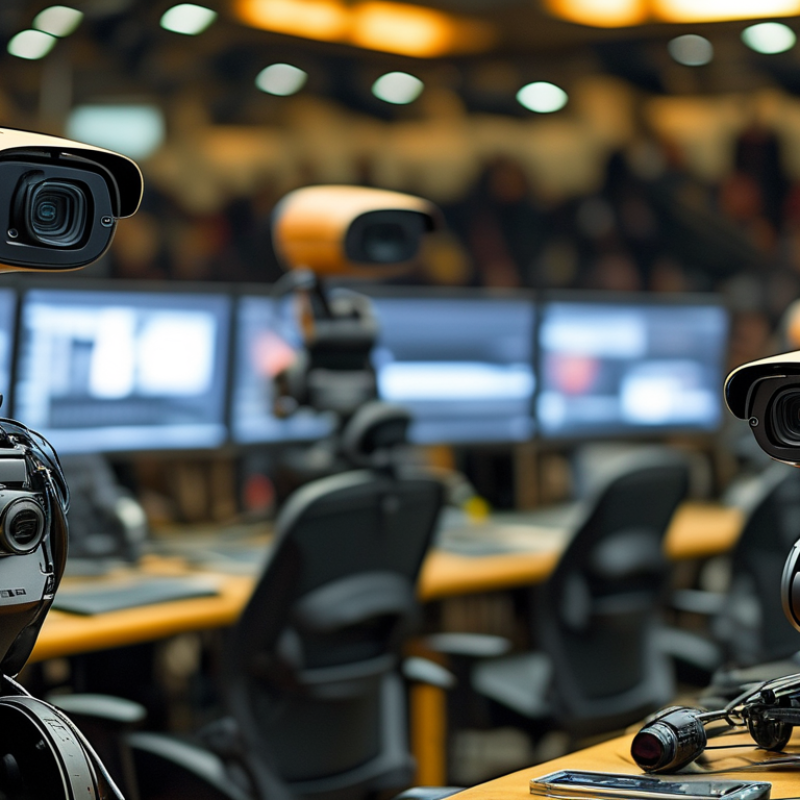
Robotic camera systems now support broadcast studios, film sets, security centers, and industrial sites. In live broadcasting, operators can store camera positions, repeat smooth movements, and manage several angles from one console. Film crews use robotic heads for precise motion, especially during complex tracking shots or repeatable visual effects. Security teams value remote viewing, controlled zoom, and reliable operation in large facilities. Industrial users monitor production lines, inspection areas, and equipment rooms without placing staff nearby.
Tips: Check payload capacity, movement accuracy, low-light performance, and control compatibility. Test network stability before installation. Ask suppliers for training, service response times, and realistic maintenance costs. A short demonstration is useful, but it cannot replace a full workflow trial.
My field experience suggests that the best supplier is not always the one offering the most features. A broadcaster may need silent movement, while an industrial plant may prioritize dust resistance and continuous operation. Security applications require clear footage, stable positioning, and carefully managed user access. Film production often demands quiet motors and repeatable presets. No system is perfect. Operators may still need manual control during unexpected events. Some specifications also look impressive but perform poorly under real lighting or network congestion. Reliable suppliers explain these limits, document testing methods, and adapt the system to the working environment.