
Why Is My Engine Mount Cushion Failing?

When an Engine Mount Cushion begins to fail, the vehicle often communicates through vibration, movement, and unfamiliar sounds. You may feel a dull thump when shifting into Drive or accelerating from a stop. The steering wheel may tremble at idle. In some vehicles, the engine appears to lift slightly during a careful inspection. These details matter because the cushion supports the engine and helps isolate its normal movement from the cabin and chassis.

A damaged cushion does not always fail dramatically. Rubber can harden from heat, crack after years of road exposure, or separate from its metal housing. Oil contamination may soften the rubber and reduce its strength. A loose mounting bolt can create similar symptoms, which makes guessing unreliable. A certified technician should compare the suspected mount with the manufacturer’s service information and inspect neighboring mounts, transmission supports, and exhaust components. The repair process should include checking for unusual engine movement with safe lifting equipment, never placing hands near moving parts.

The cause may be age.

It may also be poor installation.

Drivers sometimes replace one mount and overlook another weakened mount. That mistake can transfer extra load to the new part. In my experience, vibration diagnosis requires patience, because road surfaces and engine speed can change the symptoms. A careful inspection usually reveals more than a quick visual glance. This guide explains common failure signs, underlying causes, testing methods, and practical replacement considerations. It also highlights situations requiring professional assessment, especially when movement affects shifting, wiring, hoses, or exhaust clearance. No single symptom proves failure, but several matching clues deserve prompt attention.
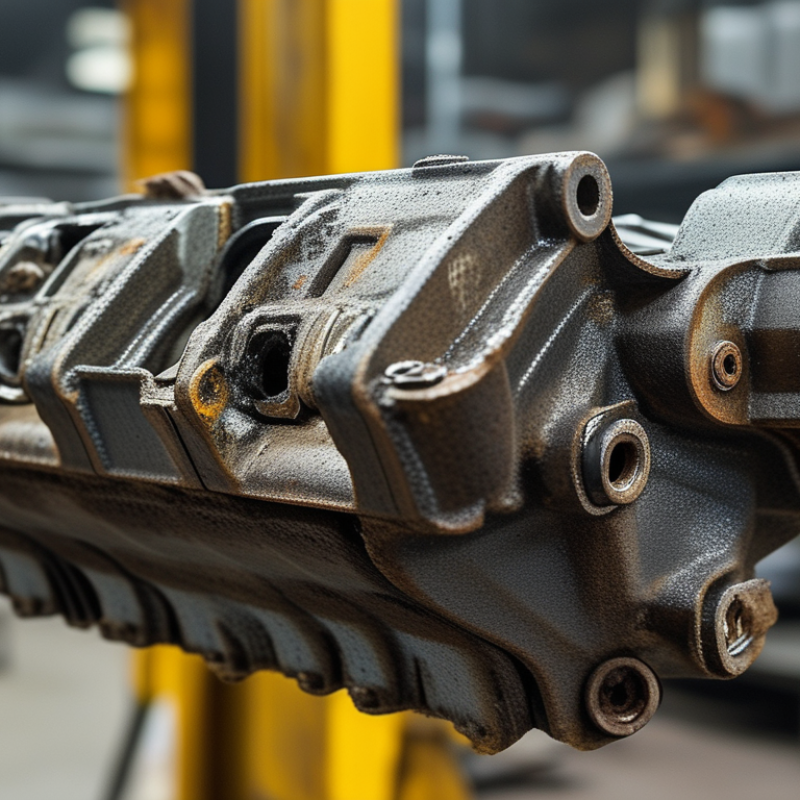
Why Is My Engine Mount Cushion Failing?

What Is an Engine Mount Cushion and What Does It Do?

An engine mount cushion is the flexible part of an engine mount assembly. It usually contains rubber, reinforced material, or fluid-filled chambers. This cushion connects the engine and transmission to the vehicle frame. It supports their weight while allowing controlled movement.

Its main job is vibration control. Without it, engine pulses would travel directly into the cabin. The steering wheel might tremble, and the floor could feel harsh underfoot. The cushion also limits movement during acceleration, braking, and gear changes. A healthy mount keeps the drivetrain positioned correctly. It should feel firm, not completely rigid.

Heat, age, oil contamination, and repeated engine movement can damage the cushion. Cracks may appear along the rubber edges. Fluid-filled types can leak. A clunk during acceleration often deserves inspection. So does excessive vibration at idle. However, vibration can also come from ignition, exhaust, or drivetrain problems. Blaming the mount too quickly is an easy mistake.

A practical check starts with a visual inspection. Look for torn rubber, collapsed sections, or unusual separation. Never place hands near a running engine. A technician may observe engine movement while briefly applying controlled load. This test requires care and proper equipment. If the mount has failed, continued driving may strain nearby hoses, wiring, or exhaust parts. I have found that small cracks are easy to dismiss, especially when the vehicle still drives normally. That judgment can age badly.

How Does an Engine Mount Cushion Fail?

An engine mount cushion fails when its rubber or hydraulic core can no longer control engine movement. Heat hardens the rubber, while oil and coolant can make it swell or crack. Repeated acceleration adds twisting stress. Rough roads then turn small damage into separation.

A small crack is easy to dismiss. That can be a costly mistake. During a careful inspection, look for torn rubber, exposed metal, fluid around a hydraulic mount, or a cushion sitting lower than its neighbor. Push gently with a suitable lever and watch for excessive movement. Do not rely on sight alone. Some mounts fail internally while the outer shell still looks acceptable.

Incorrect installation also causes trouble. Loose fasteners allow impact loads, but over-tightening can distort the cushion. The engine may shift during braking, gear changes, or sudden throttle input. You might feel a dull knock through the floor, notice stronger vibration at idle, or hear a clunk near the engine bay. A damaged mount can also place stress on exhaust joints, hoses, wiring, and transmission connections. Diagnosis is not always obvious. Other worn components can imitate the same symptoms, so compare movement, inspect mounting points, and follow the vehicle’s specified torque values before replacing parts.

Why Is My Engine Mount Cushion Failing? - How Does an Engine Mount Cushion Fail?

Failure Mode How the Engine Mount Cushion Fails Common Causes Typical Symptoms Inspection Clues Recommended Action
Rubber cracking or splitting The rubber cushion loses elasticity and develops surface cracks, deep splits, or separation from its bonded metal sleeve. Age, heat from the engine or exhaust system, ozone exposure, repeated vibration, and normal material fatigue. Increased vibration at idle, a harsh feel through the body, and clunking during acceleration or braking. Visible cracks, hardened rubber, torn edges, or excessive movement when the engine is gently loaded. Replace the damaged mount cushion and inspect nearby mounts for similar aging.
Rubber collapse or compression set Continuous engine weight and vibration permanently compress the rubber, reducing the designed clearance and support height. Long-term loading, excessive engine weight on the mount, heat exposure, and weakened rubber material. Low-frequency vibration, uneven engine position, contact between components, or a noticeable change in drivetrain alignment. The engine appears lower on one side, the rubber looks flattened, or the mount has little remaining clearance. Replace the collapsed mount and check for exhaust, hose, wiring, or drivetrain contact.
Hydraulic fluid leakage A hydraulic engine mount loses its damping fluid after the internal diaphragm, seal, or housing develops a leak. Rubber diaphragm deterioration, impact damage, excessive heat, age, or contamination from oil and other fluids. More engine shake at idle, vibration during gear engagement, and increased movement during acceleration. Wet or oily residue on the mount itself; first verify that the fluid is not leaking from above. Replace the hydraulic mount. Clean the area and repair any external oil or coolant leak that could cause repeat damage.
Metal-to-metal contact The cushion loses enough material or support that the inner and outer metal sections touch under load. Severe rubber deterioration, incorrect installation, overloading, or a broken mounting bracket. Sharp clunks, knocking sounds, harsh vibration, and impact noises when starting, stopping, or changing direction. Polished impact marks, chipped metal, damaged fasteners, or movement that is much greater than normal. Avoid continued heavy use and replace the failed mount after checking the brackets and fasteners.
Bond separation The adhesive bond between the rubber cushion and metal plate or sleeve breaks, allowing the components to move independently. Repeated torsional loading, heat, oil contamination, manufacturing-age deterioration, or impact stress. Sudden clunking, excessive engine rocking, vibration changes, and movement when torque is applied. A visible gap, lifted rubber edge, shifted metal plate, or rubber that moves separately from the mount housing. Replace the mount; bonded rubber mounts are not reliably repaired with adhesive.
Oil, fuel, or coolant contamination Chemical exposure softens, swells, or weakens the rubber and reduces its ability to control engine movement. Leaking valve covers, seals, hoses, cooling-system components, or fuel-system parts located above the mount. Soft or swollen rubber, increased vibration, and premature failure after a fluid leak. Oily, wet, glossy, swollen, or unusually soft rubber; fluid trails may lead from a higher component. Repair the leak, replace the contaminated cushion, and remove residue without damaging surrounding components.
Excessive engine movement The mount no longer limits rotational movement produced by engine torque, especially during acceleration and load changes. A failed mount, worn transmission mount, damaged torque rod, loose fastener, or incorrect alignment. A noticeable lurch, clunk, drivetrain shudder, or movement of the engine when the throttle is applied. With the parking brake applied and appropriate safety precautions, a qualified technician can observe movement during controlled loading. Inspect the complete mounting system rather than replacing only the mount that is easiest to see.
Loose, stretched, or damaged fasteners The cushion may be intact, but insufficient clamping force or damaged threads allows the mount to shift and transmit impact loads. Incorrect tightening, repeated vibration, collision damage, corroded threads, or reuse of a fastener where replacement is required. Clicking, clunking, shifting noise, unusual vibration, or movement around the mounting bolt. Visible bolt movement, damaged threads, missing hardware, elongated holes, or witness marks around the bracket. Repair the mounting interface and tighten fasteners to the vehicle manufacturer’s specified procedure and torque.
Bracket or mounting structure damage A bent, cracked, or corroded bracket changes the load path and can overload an otherwise serviceable cushion. Collision impact, severe vibration, corrosion, overloading, or a previous repair performed without correct alignment. Persistent vibration after mount replacement, misalignment, unusual noises, or rapid repeat failure. Cracks, bends, corrosion perforation, fresh scoring, uneven bolt-hole alignment, or abnormal contact marks. Repair or replace the damaged structure before installing a new engine mount cushion.
Excessive heat damage High temperatures accelerate rubber hardening, drying, cracking, and loss of damping performance. Poor heat shielding, exhaust leaks, restricted airflow, high under-hood temperatures, or prolonged heavy-duty operation. Vibration that worsens as the engine warms, brittle rubber, and recurring mount deterioration. Discoloration, glazing, brittleness, melted areas, or evidence of direct exhaust heat exposure. Correct the heat source or shielding problem and replace the heat-damaged cushion.
Diagnostic note: Engine vibration can also result from an engine misfire, uneven idle, drivetrain imbalance, damaged exhaust components, or a worn transmission mount. Confirm the cause before replacing the engine mount cushion.

What Causes Engine Mount Cushion Damage?

Why Is My Engine Mount Cushion Failing?

Engine mount cushions usually fail because rubber loses its elasticity. Heat, oil contamination, road salt, and constant vibration accelerate this process. During field inspections, technicians often find torn rubber, surface cracks, or a cushion compressed permanently. A mount can look acceptable and still be tired.

Vibration also increases when the engine misfires or idles roughly. At 600–900 revolutions per minute, idle vibration reaches roughly 10–15 cycles per second. That repeated movement stresses the cushion and mounting bolts.

ASTM D395 evaluates rubber compression set after controlled heat exposure, including common 22-hour test periods. A high compression set means the rubber does not recover its original shape well.

ISO 1431-1 also tests elastomers under ozone exposure at 50 ± 5 parts per hundred million. This matters because ozone can create fine cracks before failure becomes obvious. These standards do not predict every vehicle’s service life. Real conditions remain messier.

Tips: Inspect the mount with a bright light. Look for oil-soaked rubber, separated layers, shiny contact marks, and uneven engine movement. Check nearby leaks before replacing the cushion. Tighten fasteners to the specified torque, not by guesswork. If vibration changes sharply during acceleration, inspect the drivetrain and ignition system too. Replacing one damaged cushion may not solve the underlying load.

Which Symptoms Indicate a Failing Engine Mount Cushion?

A failing engine mount cushion often announces itself through movement, not a dramatic breakdown. When starting the engine, you may hear a dull clunk from the engine bay. The sound can also appear during acceleration, braking, or gear changes. At idle, the steering wheel, seat, or floor may vibrate more than usual. That shake matters.

Look for excessive engine movement with the hood open. A healthy engine may move slightly, but a damaged mount can allow a sharp lift or rocking motion. Cracked rubber, separated layers, or a sagging cushion are visible warning signs. Some hydraulic mounts may leak dark fluid.

Do not touch moving parts. Keep hands and clothing away from belts and fans.

A failing mount can create uneven tension on exhaust sections, wiring, hoses, and drivetrain joints. You might notice a metallic tap when driving over a bump. Uneven vibration may also increase with engine speed. However, these symptoms can come from a misfire, worn suspension part, or transmission mount. Noise alone can mislead.

An experienced technician should inspect all mounts, check fasteners, and compare engine movement under controlled conditions. A scan tool may help rule out ignition or fuel faults, but it cannot confirm mount damage by itself. I would not replace one cushion without checking the others, because a neglected mount may be carrying extra load.

How Is an Engine Mount Cushion Inspected and Replaced?

An engine mount cushion is inspected with the vehicle parked on level ground and the engine turned off. A technician checks for torn rubber, collapsed sections, oil saturation, and metal contact marks. A flashlight often reveals cracks hidden behind brackets. The mount should also be examined for loose or stretched fasteners.

A gentle engine movement test can expose excessive movement. With the hood open, an assistant briefly selects drive or reverse while holding the brake. The technician watches the engine, keeping clear of belts and fans. Noticeable lifting, clunking, or twisting suggests a weakened cushion. This test requires caution. Guessing from noise alone is unreliable.

Replacement begins by supporting the engine with an approved support fixture, not a random jack point. The technician removes nearby covers, loosens the mounting bolts, and replaces the damaged cushion with the correct specification. Bolt threads and brackets should be inspected for distortion or cracks. Fasteners must be tightened to the vehicle manufacturer’s torque values. Afterward, the engine position, vibration, and clearance around hoses are checked. A short road test may reveal a problem missed in the workshop. I have found that rushed inspections often blame the mount too quickly; worn drivetrain parts can create similar symptoms.

Why Is My Engine Mount Cushion Failing?

Engine Mount Cushion Inspection and Replacement Guide

The chart uses a practical 0–10 inspection severity scale. Cracks, rubber separation, fluid contamination, excessive engine movement, and increased vibration are common signs that an engine mount cushion may no longer isolate engine movement effectively. A score of 7 or higher in any category generally indicates that the mount should be inspected closely and may require replacement.

During inspection, support the engine safely, check for torn or collapsed rubber, inspect fasteners and brackets, and look for abnormal movement while the engine is started. Replace the cushion if structural damage, severe deterioration, or unsafe movement is found. Always follow the vehicle manufacturer’s service procedure and tightening specifications.

SERVO-ROBOT Inc
Privacy Overview

This website uses cookies so that we can provide you with the best user experience possible. Cookie information is stored in your browser and performs functions such as recognising you when you return to our website and helping our team to understand which sections of the website you find most interesting and useful.