What is Tubing Extrusion and How Can It Benefit Your Business?
Tubing Extrusion is a specialized manufacturing process used to create long, continuous tubes from various materials. This technique provides customized solutions for many industries, such as automotive, medical, and construction. The versatility of tubing extrusion allows businesses to tailor products to their specific needs. By understanding this process, you can leverage its advantages to enhance your product offerings.
Achieving high precision and consistency is vital in manufacturing. Tubing Extrusion ensures that tubes are uniform in size and shape, which can prevent costly errors. However, some companies may overlook the potential for innovation in their production lines. Embracing this method can lead to new ideas and improvements in product design. It is essential to consider both the initial investment and long-term benefits.
In today’s competitive market, utilizing Tubing Extrusion can set your business apart. It leads to better resource efficiency and waste reduction. Businesses that invest in this technology often see positive outcomes. However, careful planning and execution are necessary to fully realize these benefits. Reflecting on these aspects can reveal both opportunities and challenges in adopting tubing extrusion for your operations.
What is Tubing Extrusion and Its Role in Manufacturing Processes
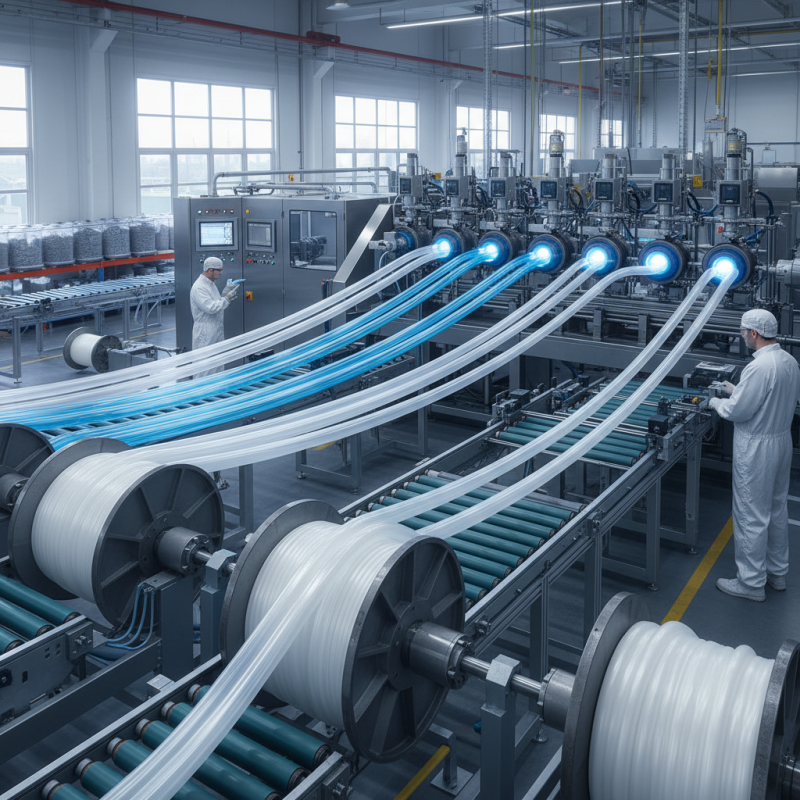
Tubing extrusion is a vital manufacturing process that shapes materials into specific tube forms. This process involves heating raw materials, usually plastic, and forcing them through a die. The result is a continuous tube that can be cut to various lengths. The adaptability of tubing extrusion makes it suitable for diverse industries, including construction, automotive, and medical sectors, where precise specifications are crucial.
The role of tubing extrusion in manufacturing processes is foundational. It allows for consistent production at a high volume, saving both time and labor costs. The uniformity of extruded tubes means tighter tolerances and better end products. However, challenges can arise, such as material wastage or variations in temperature. Companies must closely monitor these factors to maintain quality.
Moreover, understanding the intricacies of this process can lead to innovations. Adjusting the die's design can improve flow or reduce costs. Businesses need to be open to experimenting with different materials or techniques. This ongoing exploration can uncover new efficiencies and a competitive edge in the market. Balancing efficiency with quality remains a crucial consideration for manufacturers.
Key Materials Used in Tubing Extrusion: Properties and Applications
Tubing extrusion involves shaping materials into long, continuous profiles. Various materials are used, each offering unique benefits for specific applications. Understanding these materials can enhance your business operations significantly.
Common materials in tubing extrusion include PVC, polyethylene, and polypropylene. PVC is durable and resistant to environmental stress. It’s widely used in construction and plumbing. Polyethylene provides flexibility, making it suitable for applications requiring bendable tubing, such as in medical devices. Polypropylene is lightweight and has a high resistance to chemicals, perfect for packaging solutions.
The properties of these materials affect their applications directly. For example, using the wrong material can lead to premature failure. Businesses must carefully evaluate their needs. Keep in mind that material choice impacts both performance and cost-effectiveness. Balancing these factors requires expertise.
Industry Statistics: Market Growth and Demand for Extruded Tubing
The extruded tubing market has seen notable growth in recent years. According to industry reports, the demand for extruded tubing will continue to rise. This growth can be attributed to various sectors, including aerospace, automotive, and medical applications. Each of these industries relies on high-quality tubing for their unique needs. Manufacturers are investing in advancements to create more efficient extrusion processes.
However, the booming demand presents challenges. Not all companies can keep pace with stringent quality standards. The intricacies of extrusion require specialized knowledge. Many small manufacturers may struggle with adapting to rapid changes in technology. There's a learning curve involved when integrating modern techniques into traditional practices. Adopting best practices in extrusion can enhance product reliability.
Moreover, sustainability is becoming increasingly important in the tubing industry. Businesses face pressure to minimize waste and optimize material usage. Extrusion processes that prioritize recycling and eco-friendly materials are gaining traction. Companies must remain aware of market trends to stay competitive. Engaging with industry experts can provide valuable insights into these ongoing shifts.
What is Tubing Extrusion and How Can It Benefit Your Business?
| Dimension | Value |
| Market Size (2023) | $45 Billion |
| Annual Growth Rate (CAGR) | 5.2% |
| Expected Market Size (2028) | $58 Billion |
| Key Industries Using Extruded Tubing | Automotive, Medical, Electronics, Construction |
| Most Common Materials | PVC, PE, PTFE, Nylon |
| Applications of Extruded Tubing | Fluid Transfer, Insulation, Protective Covers |
Benefits of Tubing Extrusion: Cost Efficiency and Product Versatility
Tubing extrusion is a manufacturing process that offers numerous benefits for businesses. One significant advantage is cost efficiency. This technique reduces waste and minimizes production costs. By using fewer materials, companies can save money while producing high-quality products. Additionally, tubing extrusion allows for mass production, which further lowers the per-unit cost for businesses.
Another benefit is product versatility. This method enables the creation of various shapes, sizes, and materials. Businesses can design custom tubing that meets specific requirements. Whether for medical devices, automotive parts, or consumer products, tubing extrusion provides the flexibility to innovate. Companies can easily switch designs or materials based on market demands, giving them a competitive edge.
Tips for maximizing the benefits of tubing extrusion: Ensure that you collaborate with experienced engineers during the design phase. They can identify efficiencies and potential issues early on. Also, consider using recycled materials where possible. This can enhance sustainability and reduce costs. Lastly, regularly review your extrusion process. Identifying areas for improvement can lead to better product quality and increased production speed.
Innovations in Tubing Extrusion Technologies and Their Business Impact
Tubing extrusion technologies are rapidly evolving. These innovations provide significant advantages for businesses across various sectors. Modern extrusion methods result in stronger, lighter materials with enhanced performance. The shift towards automation and precision engineering plays a key role. This evolution lowers production costs and improves product quality.
Tips: Always consider the material properties during the design phase. Different materials can change the entire extrusion process. Testing prototypes is essential. It helps identify potential weaknesses early on.
Moreover, sustainable practices are gaining traction in tubing extrusion. Companies are adopting environmentally friendly materials and processes. This shift not only appeals to eco-conscious consumers but also can lead to cost reductions in the long run. However, transitioning to these practices requires careful planning. Not every company is equipped for sudden changes.
Tips: Start small. Integrate sustainable practices gradually. This approach minimizes risk and allows for smoother operational adjustments. Monitor the impact continuously to refine processes effectively.