7 Tips for Choosing a Drain Cleaning Machine?
Choosing the right Drain Cleaning Machine can prevent wasted hours, damaged pipes, and unnecessary repair costs. A machine that works well in a restaurant may struggle in a narrow residential drain. The cable length, motor power, drum design, and cutting head all affect daily performance. These details matter.
In practical use, I have found that strong power is not always the best answer. A compact machine may offer better control in small bathrooms. A heavier model can handle long, stubborn lines, but it may be difficult to transport. Operators should also check cable flexibility, reverse functions, protective features, and access to replacement parts. Reliable manufacturers usually provide clear specifications, service guidance, and realistic capacity ratings. Still, product descriptions can sound more impressive than the machine feels on site. Hands-on testing remains valuable.
This guide explains seven practical tips for choosing a Drain Cleaning Machine with greater confidence. It considers common blockages, working environments, operator experience, and maintenance demands. It also highlights mistakes that are easy to overlook, such as choosing a cable that is too rigid or ignoring machine weight. Safety should remain part of every decision. Wear suitable protective equipment, inspect cables before use, and follow the manufacturer’s instructions. No machine fits every situation. That is worth remembering. A thoughtful choice balances performance, control, durability, and total ownership cost rather than chasing the highest power rating.
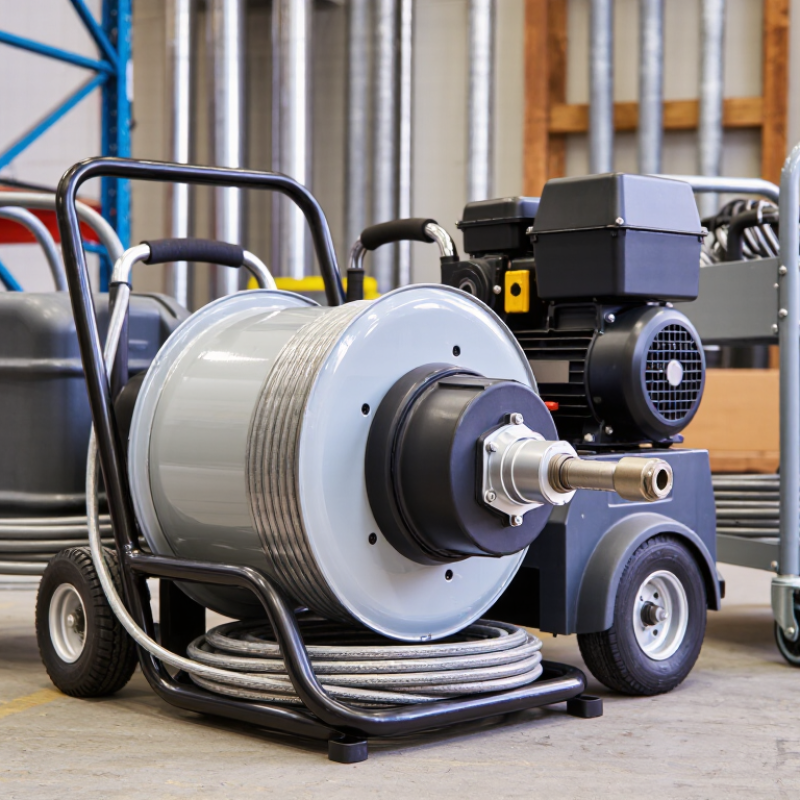
Identify the Drain Types and Blockage Severity
Choosing a drain cleaning machine starts before the machine enters the van. Identify the drain type, pipe material, diameter, access point, and blockage severity. A kitchen branch may contain grease and soft food waste. A floor drain may hide silt, hair, or a damaged trap. A main sewer can contain roots, scale, or broken pipe fragments. The wrong tool may push debris deeper or damage a weakened line.
Use inspection evidence, not guesswork. A small camera can reveal pipe condition, while measured cable distance helps locate the obstruction. The U.S. Environmental Protection Agency’s Report to Congress on Sanitary Sewer Overflows estimates 23,000 to 75,000 overflows occur annually. It also identifies blockages as a significant cause. The American Society of Civil Engineers gave U.S. wastewater infrastructure a D+ in its 2021 report card. Old pipes need controlled cleaning. A light, reachable blockage may suit a compact drum or sectional machine. Hardened scale, roots, or long runs may require higher torque, cutting heads, or water jetting.
Match the cutter to the pipe, not merely the symptom. Confirm diameter limits and access geometry. Stop if the cable binds repeatedly. Forcing it is not expertise. In my field experience, the first diagnosis is sometimes wrong. Recheck flow, camera images, and extracted material before escalating. Record the blockage type and cleaning distance for the next technician. Good records improve consistency, although they never replace judgment.
Choose the Right Machine Type for the Job
7 Tips for Choosing a Drain Cleaning Machine
Choose the Right Machine Type for the Job
Choosing the machine type comes before choosing power. A hand auger suits short, narrow sink lines. A drum machine works better for medium residential branches. Sectional machines handle longer runs and heavier buildup. For wide main drains, a water-jetting unit may clean more wall area. The U.S. Environmental Protection Agency reports that household leaks waste nearly one trillion gallons of water annually. A blocked or damaged drain can make that waste worse. Pipe condition still matters more than raw machine strength.
Tip 1: Match the cable or hose diameter to the pipe. Oversized equipment can damage fragile lines. Undersized equipment may stall inside hardened deposits. The American Society of Civil Engineers gave U.S. wastewater infrastructure a D+ grade in its 2025 Infrastructure Report Card. Aging systems need controlled pressure and careful inspection. Tip 2: Check access before selecting a machine. Tight cabinets favor compact tools. Outdoor cleanouts allow larger equipment and safer positioning.
I once chose a powerful cable machine for a narrow branch line. It cleared the blockage, but the setup felt excessive. That shortcut was wrong. Tip 3: Consider the obstruction. Grease may need a cutter and repeated passes. Tree roots may require root-cutting equipment and camera verification. A camera is not optional when pipe damage is possible. Record cable length, pipe size, and resistance during the job. These details improve the next decision, even when the first choice was imperfect.
Match Cable Size, Length, and Cutting Attachments
Choosing a drain cleaning machine starts with the cable, not the motor. Match the cable diameter to the pipe size and blockage type. A thin cable moves easily through small household drains. A thicker cable delivers more strength in larger pipes.
Cable length deserves equal attention. Measure the access point to the blockage, then add working allowance. Too little length stops the job early. Too much length may create loops, kinks, and difficult handling. I once chose a cable that was too stiff for a narrow bend. That decision slowed the work and taught me to check pipe direction first.
Cable flexibility also affects control. Flexible cables follow bends, while rigid cables push through heavier buildup. Choose a corrosion-resistant material, and inspect it for flattened sections before use. Small details matter. Cutting attachments should match both the cable and the obstruction. Use a boring tip for soft debris, a spade cutter for scraping, and a larger cutter only when the pipe allows safe clearance. Never force an attachment through a tight bend. It can become stuck or damage the pipe.
Check the connector before every job. A loose attachment can separate inside the drain. Keep gloves, eye protection, and steady feed pressure in mind. I sometimes prefer a smaller cutter and a second pass; it feels slower, but it gives better control. Clean and dry the cable afterward, because neglected moisture shortens its service life.
Compare Power, Portability, and Ease of Operation
7 Tips for Choosing a Drain Cleaning Machine
Compare power, portability, and ease of operation before choosing a drain cleaning machine.
Tip 1: Match the motor’s power to your usual pipe diameter and blockage type. A stronger motor can clear hardened buildup, but it may feel difficult in narrow spaces.
Tip 2: Check the cable’s working length and thickness. Longer cables reach farther, while thicker cables usually resist kinking.
Tip 3: Look for adjustable speed control. Slow rotation improves control near bends, while higher speed can handle stubborn deposits.
Tip 4: Consider the machine’s weight. A compact unit is easier to carry upstairs or through crowded rooms.
Tip 5: Inspect the handle, wheels, and balance. I once selected a powerful machine that was awkward to move, which slowed every job.
Tip 6: Choose controls that are visible and simple. Gloves, water, and poor lighting can make complicated switches frustrating.
Tip 7: Confirm that replacement cables and cutting heads are easy to install. Downtime is often more expensive than expected.
Portability matters more than specifications suggest. Measure your vehicle, storage area, and access route before buying. A machine that fits through a narrow doorway saves practical effort.
Experienced technicians also check the frame, cable guard, and emergency shutoff before use. Do not rely only on advertised power. Test the balance if possible. A small compromise in capacity may be worthwhile when safer handling and faster setup matter more.
Check Safety Features, Maintenance, and Overall Value
7 Tips for Choosing a Drain Cleaning Machine
Safety deserves more attention than advertised power. Look for a reliable emergency stop, overload protection, and a guarded rotating cable. Ground-fault protection is valuable when water is nearby. A stable frame also reduces sudden movement during use. Wear eye protection, gloves, and slip-resistant footwear. Small details matter.
Maintenance determines whether the machine remains dependable after repeated jobs. Choose a design that allows easy cable removal, cleaning, and inspection. After each use, rinse away debris, dry the cable, and check for kinks or damaged sections. Follow the service instructions for lubrication and storage. Keep a simple maintenance log. I have seen equipment fail because routine cleaning was treated as optional. That mistake is easy to repeat.
Overall value is more than the purchase price. Compare cleaning capacity, operating speed, included tools, replacement parts, warranty terms, and service support. A lower-priced unit may become expensive if its cable breaks often or its controls are difficult to repair. Consider the drains you actually handle, not the largest pipe listed in a sales description. Try the controls before buying when possible. Poor balance or awkward feeding can cause fatigue and slower work. More power is not always better. It can increase damage risks on fragile pipes. A practical choice should feel safe, maintainable, and suitable for everyday conditions.
7 Tips for Choosing a Drain Cleaning Machine: Safety, Maintenance, and Overall Value
This practical 100-point buying framework gives the greatest weight to safety and cleaning performance, while also considering compatibility, maintenance access, durability, ergonomics, and total ownership cost. Compare each machine against these seven criteria before making a purchase.