10 Tips for Choosing 3D Vision Systems for Robots?
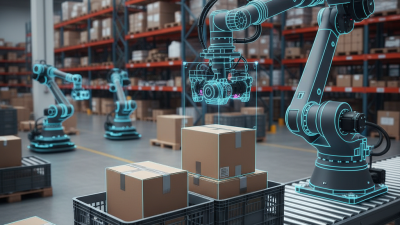
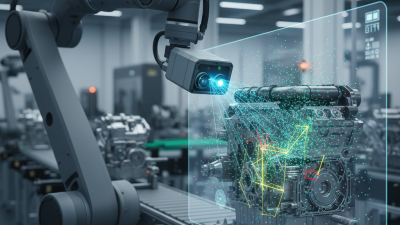
As industries adopt automation, the demand for 3D vision systems for robots has surged. These systems enable robots to perceive their environment in three dimensions, enhancing their functionality. Effective 3D vision systems improve accuracy in tasks such as picking, placing, and inspecting objects. The right choice can significantly impact operational efficiency.
Selecting the best 3D vision system requires careful consideration. The technology landscape evolves rapidly, with numerous options available. Each system offers unique features that cater to different applications. Understanding these components is crucial for making an informed decision. Factors like camera resolution, processing speed, and integration capabilities should be evaluated.
Moreover, it's important to acknowledge that no system is perfect. Challenges may arise while integrating these systems into existing workflows. Potential issues include calibration difficulties and compatibility with legacy equipment. Thus, thorough research and testing are essential for successful implementation. Making informed choices can lead to improved automation and productivity.
Understanding 3D Vision Systems and Their Importance for Robotics
3D vision systems play a crucial role in robotics by
enabling machines to perceive their environment in three dimensions. According to a report by MarketsandMarkets,
the global 3D vision systems market is expected to grow
from $2.1 billion in 2023 to $5.8 billion by 2028.
This substantial increase highlights the growing reliance on technology for automation and precision tasks.
Effective 3D vision systems allow robots to navigate complex environments. They gather data by analyzing images
captured from multiple angles, ensuring that robots can pinpoint objects accurately. However, the effectiveness
of these systems heavily depends on their integration.
A poorly designed system can lead to inaccuracies,
which in turn could result in costly errors in industrial applications. Experts emphasize that
proper calibration and real-time processing capabilities
are essential for achieving reliable performance in dynamic settings.
The importance of 3D vision extends beyond manufacturing. Fields such as healthcare, agriculture, and logistics
are embracing this technology. For example, in agriculture,
3D vision helps in monitoring crops to provide actionable insights.
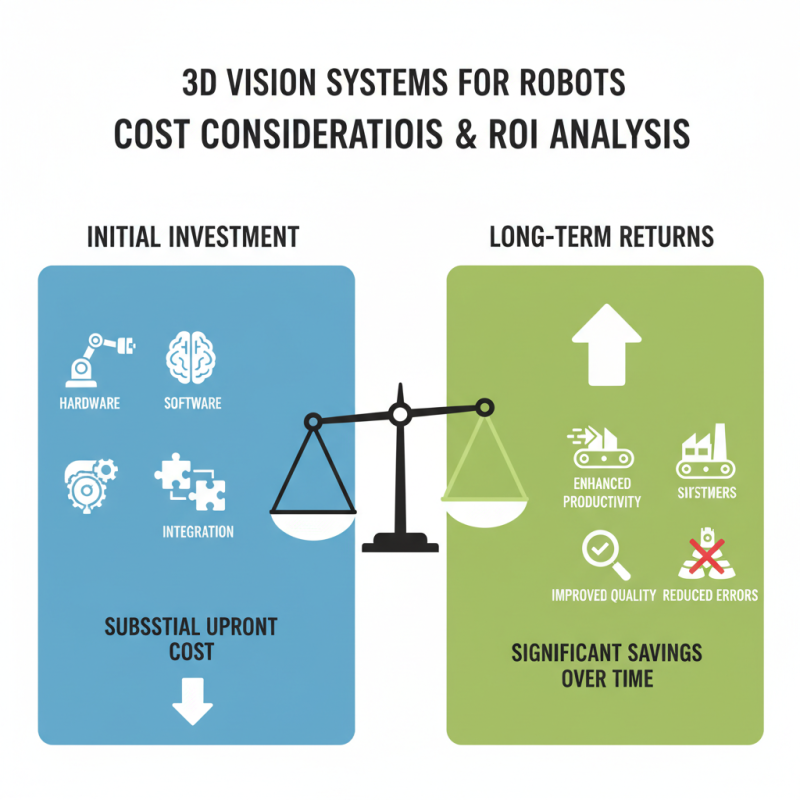
Yet, the high initial investment and the need for specialized knowledge
can be a barrier for many companies. These challenges require reflection on how to balance costs with the potential benefits
offered by enhanced robotic capabilities.
Key Features to Consider When Selecting 3D Vision Systems
When selecting 3D vision systems for robots, several key features warrant attention. The resolution of the system is crucial. High-resolution cameras provide detailed depth information for object recognition. This capability enhances precision in tasks, such as assembly, inspection, and navigation. However, higher resolution may increase processing time, a trade-off worth considering.
Another essential feature is the field of view (FOV). A wider FOV allows robots to capture more of their environment in a single glance. This is especially valuable in dynamic settings. Yet, a broader FOV may come with the challenge of distortion at the edges. It's vital to evaluate how this will impact your application. Additionally, consider the lighting conditions in which the system will operate. Some systems perform poorly in varying light. This limitation can hinder recognition and accuracy.
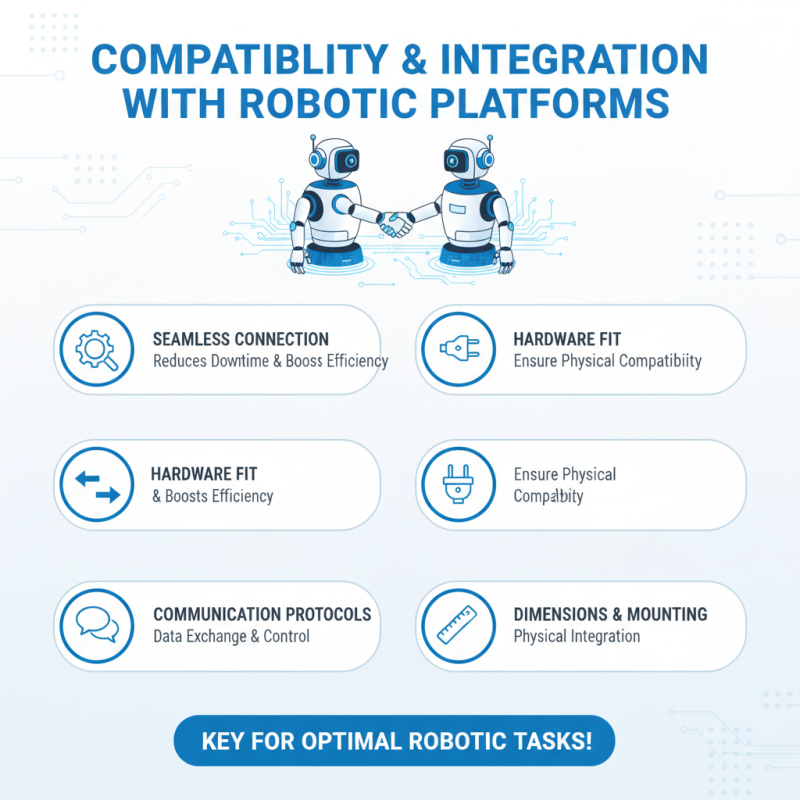
Compatibility is equally important. Ensure that the 3D vision system integrates seamlessly with existing robotic hardware and software. Compatibility issues can lead to increased costs and frustration during implementation. Lastly, don't underestimate support and resources from the manufacturer. A knowledgeable support team can greatly enhance the effectiveness of your 3D vision system, especially during troubleshooting and optimization.
10 Tips for Choosing 3D Vision Systems for Robots
| Feature |
Description |
Importance |
| Camera Resolution |
Higher resolution provides better detail and accuracy for object recognition. |
Critical for precision tasks. |
| Depth Sensing |
Ability to measure distances accurately in 3D space. |
Essential for spatial analysis. |
| Field of View (FOV) |
The extent of the observable area seen through the camera. |
Affects the coverage area during operation. |
| Frame Rate |
Speed at which images are processed. |
Important for dynamic environments. |
| Lighting Conditions |
The ability to operate in various light conditions. |
Crucial for outdoor or poorly lit environments. |
| Software Compatibility |
Integration capabilities with existing systems. |
Vital for seamless operation. |
| Calibration Ease |
How easily the system can be calibrated. |
Affects setup time and accuracy. |
| Durability |
Resistance to harsh conditions (dust, moisture). |
Important for longevity in industrial settings. |
| Cost |
Total price of the system including accessories. |
Budget considerations for investment. |
| Support and Documentation |
Availability of customer support and user manuals. |
Impacts troubleshooting and maintenance. |
Evaluating Different Types of 3D Sensors for Robotics Applications
When selecting 3D vision systems for robotics, understanding various 3D sensors is crucial. Different sensors offer unique capabilities, influencing their effectiveness in specific applications. A recent industry report indicated that the global 3D sensing market is projected to reach $45 billion by 2025, highlighting the growing importance of these technologies in robotics.
Tip 1: Consider the sensor type. Common options include laser triangulation, time-of-flight, and structured light. Each type has different strengths and weaknesses. For instance, laser sensors excel in precision, while time-of-flight sensors are better for longer ranges.
Moreover, the integration of sensors can pose challenges. The complexity of connecting these systems to existing robotic hardware requires careful planning. It's essential to assess compatibility to avoid costly modifications.
Tip 2: Evaluate environmental conditions. Factors like lighting and surface texture impact sensor performance.
Another element to reflect on is the data processing capabilities of the chosen systems. The demand for real-time data analysis is critical in applications like autonomous navigation. A robust processing unit can enhance the effectiveness of the 3D system.
Tip 3: Look into scalability. As your robotics application evolves, so should your sensor system. Designing with future upgrades in mind can save time and resources down the road.