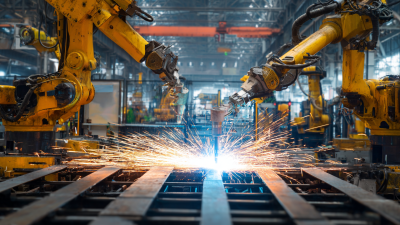
Robotic trade shows are more than just events; they are pivotal in shaping the future of technology. These gatherings showcase innovative robotic solutions from around the globe. Companies unveil their latest advancements, attracting diverse audiences.
Attendees can witness live demonstrations. This is where creativity meets practicality. Robotics companies share ideas and technologies that drive industries forward. Yet, many leave feeling overwhelmed. The rapid pace of development can be intimidating. What's next for robotics? It's a question that lingers after each event.
These trade shows also facilitate networking. Collaboration opportunities arise as experts interact. However, some participants might struggle to find their niche. The sheer number of options can complicate decisions. Robotic trade shows serve as a mirror, reflecting both the excitement and challenges of this evolving field.

A robotic trade show is a specialized event showcasing robotic technologies. These exhibitions gather industry leaders, innovators, and enthusiasts, creating a vibrant space for dialogue. Attendees can interact directly with state-of-the-art robots, often engaging in hands-on demonstrations. Such experiences make the technology more accessible and tangible.
Key features of a robotic trade show include diverse exhibitors. Companies from various sectors present their robotic solutions, from manufacturing to healthcare. Workshops often occur, allowing participants to explore emerging trends and applications. The ambiance buzzes with excitement, but one can feel the pressure. The challenge to stand out is significant, pushing exhibitors to innovate constantly.
The trade shows offer networking opportunities. Industry peers can connect and share insights. However, not all interactions lead to strong collaboration. Some may leave feeling overlooked. There’s a tension between showcasing advancements and addressing real-world challenges. Exhibitors must reflect on their messages. Are they truly engaging the audience, or just displaying tech for tech's sake? Each event presents a chance for growth.
Robotic trade shows are increasingly vital in the technology industry. They bring together innovators, engineers, and businesses under one roof. Over 1,500 trade shows occurred in the tech sector in 2022. This figure has steadily risen by 20% each year. Such events showcase cutting-edge robotics advancements. They help companies network, share ideas, and foster collaboration.
These trade shows highlight the industry's growth potential. The global robotics market is projected to reach $250 billion by 2030. Events like these provide crucial insights into emerging trends. Participants can learn about AI, automation, and IoT integration in robotics. However, while these shows offer tremendous value, not all exhibitors maximize their participation. Many struggle with booth design or fail to engage effectively with attendees.
Tips: To get the most from a trade show, define your goals clearly. Prepare engaging presentations that resonate with visitors. Follow up promptly with contacts you make.
Trade shows also allow for reflection. Are we truly understanding the technology's implications? Sometimes the hype overshadows practical use cases. It's essential to foster meaningful discussions about ethics and sustainability in tech. By doing this, the industry can navigate challenges while embracing innovation.
Robotic trade shows have become a vital platform for showcasing advancements in automation and robotics. These events feature cutting-edge technologies and innovative solutions. Attendees witness demonstrations of robotic arms, autonomous vehicles, and AI-driven systems. Each exhibit reveals the potential of robotics in various sectors, including manufacturing and healthcare. However, the complexity of some technologies can be overwhelming for newcomers.
Major trends often emerge at these gatherings. For instance, collaborative robots or cobots are gaining traction. They work alongside humans, enhancing productivity. Another trend is the integration of AI in robotic systems, allowing for smarter decision-making. Yet, the rapid pace of innovation raises questions. Can existing infrastructure adapt quickly? Are there ethical implications in using robotics more widely?
In addition, exhibitors are increasingly focusing on sustainability. Robotics can improve energy efficiency and waste reduction. Still, challenges remain. Many attendees wonder about job displacement due to automation. The trade shows spark conversations about the future workforce and skill requirements. These discussions are crucial. They help shape policies around automation in society.
Robotic trade shows play a crucial role in business networking and industry collaboration. These events bring together innovators, engineers, and businesses under one roof. Attendees can explore the latest technologies while building valuable connections. Conversations spark here, creating potential partnerships. However, not every interaction leads to success. Some ideas clash, while others fizzle out.
Networking at these events is key for growth. Companies share knowledge, revealing industry trends and challenges. Discussions often evolve into brainstorming sessions, fueling collaboration. Yet, the noise can be overwhelming. Not every contact turns into a meaningful relationship. Some connections may remain superficial. Others may lead to future opportunities. It’s a mixed bag of results.
The environment at robotic trade shows can be both exciting and daunting. Participants must navigate through crowded spaces with countless exhibitors. This offers a chance to connect but also poses challenges. Not everyone feels comfortable approaching strangers. Relief comes with a shared interest in robotics, but genuine connections require more effort. Reflecting on personal experiences at trade shows helps improve future engagements.
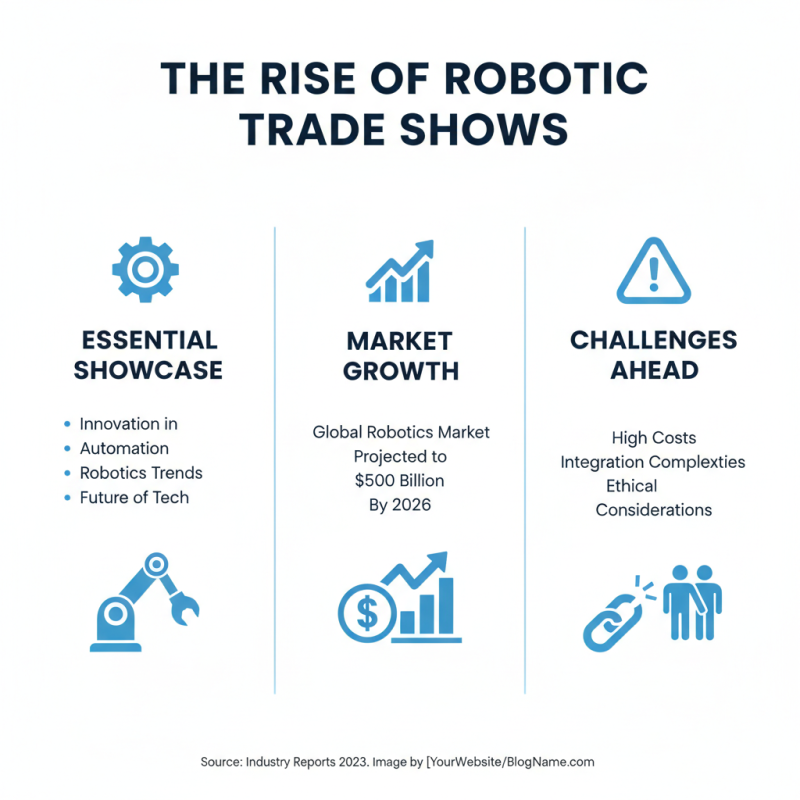
Robotic trade shows are becoming essential in today’s technology landscape. They showcase innovations and trends in automation and robotics. The global robotics market is projected to reach $500 billion by 2026, highlighting the importance of these events. Yet, there are significant challenges to address.
One major issue is the rapid pace of technological change. Companies must adapt quickly to stay relevant. Many exhibitors struggle to keep up with advancements. This leads to inconsistent representations of their products at trade shows. Additionally, the costs associated with exhibiting can be overwhelming. A study found that over 60% of companies find trade show budgeting challenging, which can hinder participation.
Moreover, the need for sustainability is growing. As the industry evolves, so does the demand for eco-friendly solutions. Many robotic trade shows do not prioritize this aspect yet. Therefore, organizers face pressure to create greener events. Attendees are becoming increasingly aware of their environmental impact. They expect exhibitors to showcase sustainable practices. However, many companies are still figuring out how to incorporate these practices effectively. This reflects a gap in industry readiness and commitment to sustainability.