What is a Robot Servo and How Does It Work?
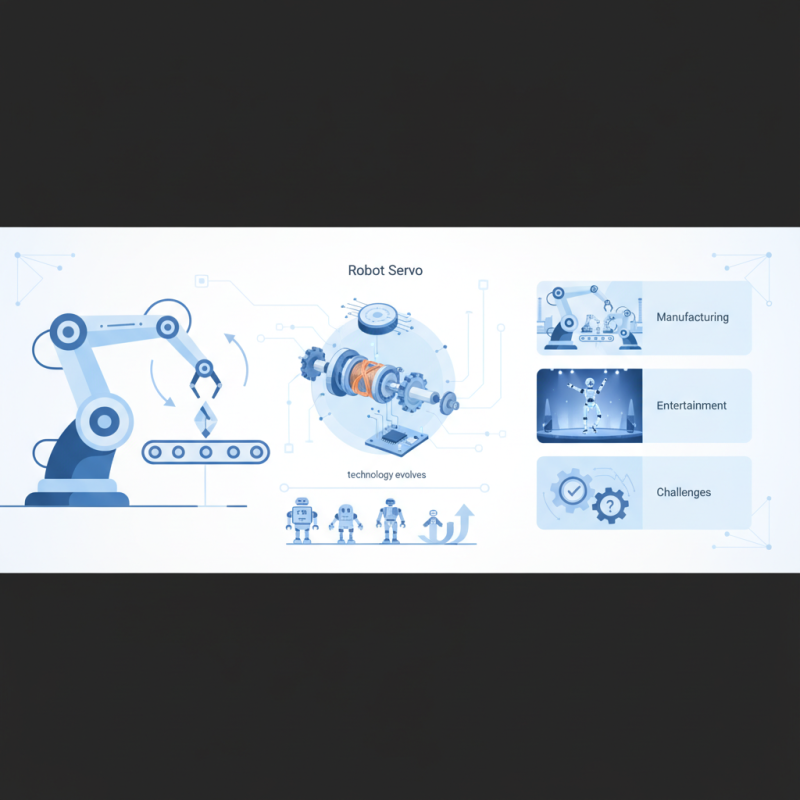
Robots are increasingly common in various fields, from manufacturing to entertainment. A vital component of many robotic systems is the robot servo. This device plays a crucial role in enabling precise movement and control. It is essential for achieving accurate positioning and responsive actions.
A robot servo consists of a motor coupled with a sensor and a controller. This combination allows it to receive signals and adjust its position accordingly. The technology behind robot servos can be complex, yet their function is straightforward. Imagine a robotic arm picking up an item. The robot servo ensures that each movement is smooth and controlled.
However, not all robot servos are equal. Some may lack the precision required for delicate tasks. This raises questions about reliability and effectiveness in different applications. As technology evolves, so too do the capabilities of robot servos. Yet, challenges remain. Understanding these devices is vital for anyone interested in robotics. How we harness their potential will shape the future of automation.
Understanding the Definition of Robot Servos
Robot servos are essential components in robotics. They are devices designed to control angular or linear position. By using closed-loop systems, robot servos can receive feedback about their position. This enables them to perform precise movements. A servo's basic design typically includes a motor, a potentiometer, and a control circuit.
According to industry reports, the global market for servos is projected to reach $17.6 billion by 2026. This growth is driven by advancements in automation. In manufacturing, precision is critical. For instance, in assembly lines, servos provide the
speed and accuracy needed for repetitive tasks. Yet, despite the technological progress, many servos face challenges in integration. Some automation systems struggle with compatibility.
The actual performance of a robot servo can sometimes fall short. Factors such as wear and tear can affect functionality. Moreover, environmental conditions can impact feedback accuracy. For example, temperature fluctuations may alter the operation of the control circuit. Industries need to address these issues. Focusing on reliability and maintenance strategies is crucial for enhancing servo performance in robotics.
Different Types of Robot Servos and Their Applications
Robot servos are essential in robotics, providing precise control of motion. Different types of servos cater to varied applications, each with unique features. There are three main types: continuous rotation, standard (or positional) servos, and digital servos.
Continuous rotation servos offer unlimited rotation. They are perfect for tasks that require rapid spinning, such as in robotic cars. Standard servos can rotate only within a specified range. This limitation works well for applications like robotic arms, where specific angles are necessary. Digital servos, on the other hand, provide increased feedback and accuracy. They are ideal for tasks requiring precision, like aerial drones and advanced robotic systems.
Each type of servo has its strengths and weaknesses. Continuous rotation servos may struggle with precise positioning. Standard servos can be limited in speed. While digital servos are accurate, they can be more expensive and complex. It's vital to consider these factors when choosing the right type of servo for your project.
What is a Robot Servo and How Does It Work? - Different Types of Robot Servos and Their Applications
| Type of Servo |
Description |
Applications |
| Standard Servo |
Commonly used in various robotic applications, providing position control. |
Robot arms, toys, and hobby projects. |
| Continuous Rotation Servo |
Allows for full rotation, useful for speed control. |
Robotic vehicles and mobile platforms. |
| Multi-turn Servo |
Can rotate several turns, often with a built-in encoder. |
Robotic applications requiring precise rotational control over extended distances. |
| Linear Servo |
Converts rotary motion into linear motion. |
Applications in linear actuators and robotic arms. |
| Smart Servo |
Includes built-in sensors and processing for advanced feedback control. |
Industrial robots and sophisticated automation systems. |
The Mechanism Behind How Robot Servos Operate
Robot servos are crucial components in robotic systems. They enable precise control of movement. Understanding their mechanisms can enhance design and functionality.
These devices use motors coupled with feedback systems. A typical servo contains a potentiometer that provides position feedback. When a signal is sent, the motor turns, adjusting the shaft's angle. The control system monitors this position continuously. If the angle deviates, the servo corrects it quickly. This loop allows for accurate positioning, essential in robotics.
However, not all servos perform flawlessly. Sometimes, they can overshoot their targets. It's vital to calibrate them regularly. Different applications may require different settings. Designers must consider these variables for optimal performance. Exploring ways to improve efficiency is always a work in progress.
Key Components and Functions of Robot Servos
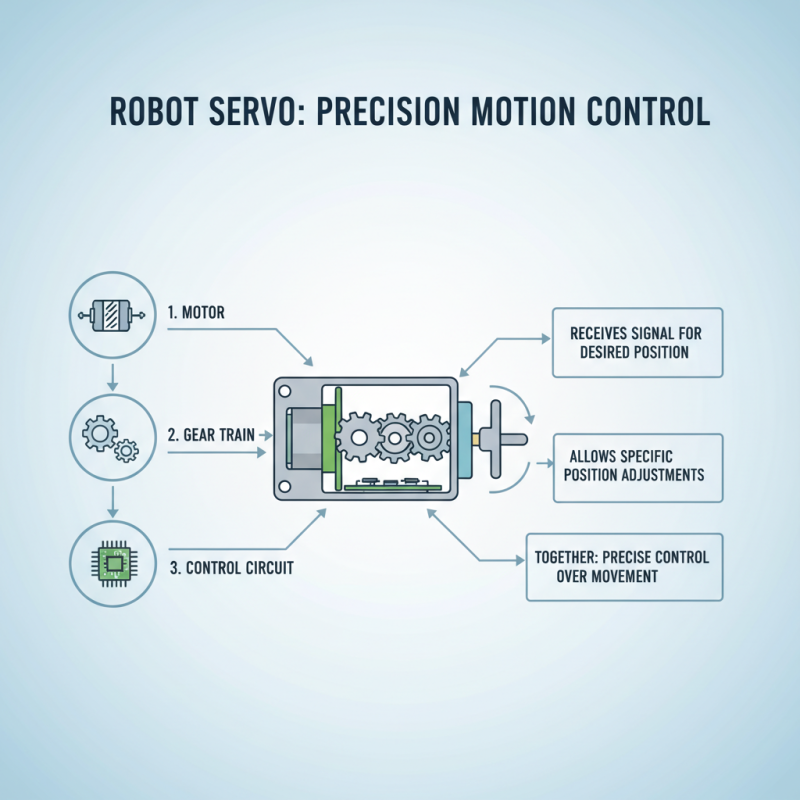
Robot servos are critical in robotics. They give precise control over movement. A typical servo consists of several key components. These include a motor, gear train, and control circuit. Together, they allow for specific position adjustments.
The motor converts electrical energy into mechanical motion. It moves the output shaft to a desired angle. The gear train amplifies this motion. It provides torque while reducing speed. Lastly, the control circuit processes commands. It interprets the input signals to direct the servo accordingly. Without these components, servos can't function effectively.
The performance of a robot servo relies on the quality of these parts. If the motor is underpowered, the servo may struggle. Poor gears can lead to excessive backlash. This results in inaccurate movements. Control circuits must be well-designed to respond quickly. Otherwise, lag can affect system performance. Understanding these components helps in optimizing design and functionality.
Common Uses and Benefits of Robot Servos in Robotics
Robot servos play a crucial role in modern robotics. They are compact devices that control the position, speed, or acceleration of mechanical components. According to a report by Transparency Market Research, the global servo motor market is expected to reach over $16 billion by 2024. This growth highlights their increasing importance in various applications.
One common use of robot servos is in automation. Factories utilize these motors for precise movement in assembly lines. They enhance efficiency and consistency. For example, a servo can precisely position robotic arms to pick and place items. This automation reduces human error, yet it also raises concerns about job displacement. Industries must navigate these ethical challenges.
Another area is in robotics for healthcare. Surgical robots employ servos for delicate procedures. The enhanced precision can lead to improved patient outcomes. However, reliance on these technologies can result in complications if the systems fail. A study from ResearchAndMarkets indicated that robotic surgery is projected to grow at a rate of 21% annually. This underscores the necessity for rigorous testing and validation of servo systems. Balancing innovation with safety is essential.
Robot Servo Usage in Different Industries