How to Find Reliable CNC Lathe Parts Suppliers in 2026?
In 2026, finding a reliable supplier for Cnc Lathe Parts takes more than comparing prices. A polished website cannot confirm whether a shop can hold a tight tolerance across a full production run. Ask how the supplier reviews drawings, selects materials, and checks critical dimensions. Request a sample inspection report, material documentation, and details about its measurement equipment. Specific evidence matters.
A capable supplier should explain its machining process in plain terms. For a turned steel shaft, for example, ask how it controls diameter, surface finish, and concentricity. Confirm that inspection methods match the requirements on your drawing. Look at lead times, production capacity, packaging, and how the team handles a rejected part. These details reveal how a supplier works when a job gets difficult. Promises are easy.
Compare quotations carefully. A lower unit price may exclude tooling, secondary operations, or inspection costs. Ask what is included, and get important specifications in writing. Communication is part of quality, too. Notice whether the supplier asks useful questions before quoting or simply accepts incomplete information. No checklist removes every risk; even a thorough audit can miss a process weakness. The goal is to make a reasoned choice, verify claims with samples and records, and build in clear quality checks before scaling production.
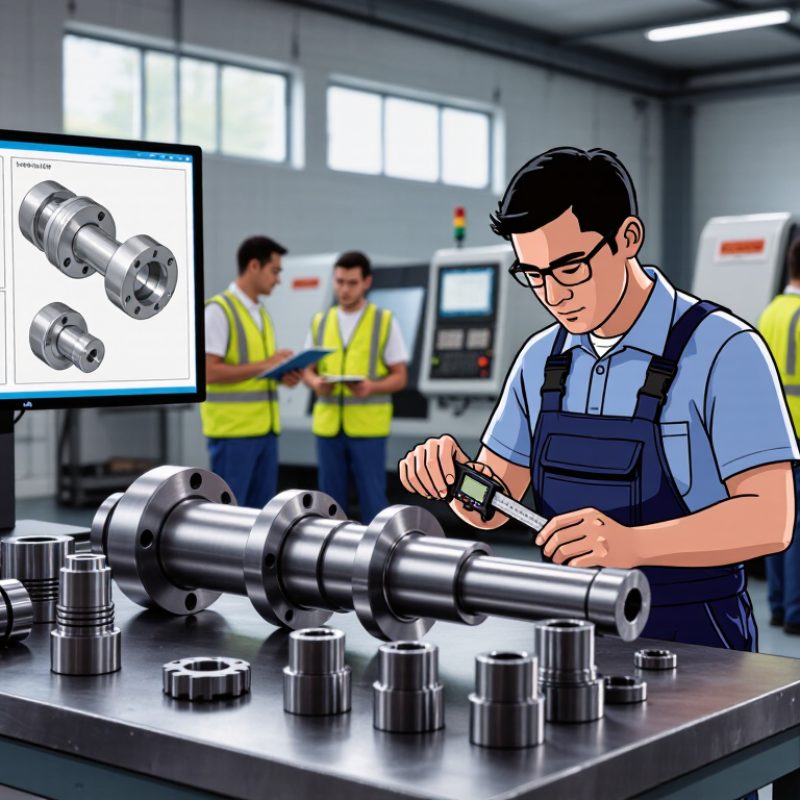
Define Your CNC Lathe Parts Requirements and Selection Criteria
Define Your CNC Lathe Parts Requirements and Selection Criteria
Before contacting suppliers, write down the part’s material, dimensions, critical tolerances, surface finish, and expected order quantity. Include a drawing with datum references, thread details, and any features that affect assembly. A shaft fitting a bearing, for example, may need a tighter tolerance on its bearing seat than on its overall length. Avoid requesting tight tolerances everywhere; they can increase cost without improving performance. Also note the machine interface, operating environment, and inspection documents your application requires.
Tips: Ask suppliers how they verify critical dimensions. Request a sample inspection report and clarify how many parts it covers. Check that quoted lead times include setup and inspection.
Use the same criteria to compare each supplier’s technical response, not just the unit price. Look for clear answers about material certification, measurement methods, batch consistency, and handling of nonconforming parts. Confirm whether the supplier can support your likely order volume and communicate changes before production. A selection sheet helps, but it can miss practical issues: packaging damage, unclear drawing revisions, or slow replies. Review those details during technical discussions, and revise your criteria if the first quote reveals an overlooked requirement.
Identify Suppliers with Relevant Machining Capabilities
In 2026, finding a reliable CNC lathe parts supplier means checking whether its machines fit your part, not just its sales claims. Ask about turning diameter, bar capacity, spindle configuration, and live-tooling options. These details matter when a drawing calls for cross-holes, tight shoulders, or a long, slender shaft. Request examples of comparable work and ask how operators control runout, surface finish, and critical diameters between production runs. A polished sample is useful, but repeatability matters more.
Tips: Send a current drawing and material specification. Ask the supplier to explain its inspection plan, including which features are measured and how often. Request a sample inspection report. Clear answers beat vague promises.
Check the shop’s measurement tools against your tolerances. Micrometers may suit basic diameters, while complex profiles can require a CMM or dedicated gauges. Ask who reviews first-article results and what happens when a measurement falls outside the agreed range. If the supplier cannot describe that process plainly, pause. Not every shop fits. I have seen buyers focus on machine lists and miss the more practical question: can the team hold the feature that actually makes the part work? A short technical call can expose that gap before you place a larger order.
Verify Quality Systems, Certifications, and Traceability
A CNC lathe supplier’s certificate is a starting point, not proof that every shaft or bushing meets your drawing. ISO’s 2022 Survey recorded 1,265,216 ISO 9001 certificates across 189 countries and economies. That scale shows how widely quality systems are used; it does not show whether a supplier’s certification covers the actual machining site or process. Ask for the current certificate, its scope, issuing body, and latest audit status. Check these details against the supplier’s production address.
Then examine the records behind the claims. Request a sample inspection report, material certificate, nonconformance record, and calibration history for measuring equipment. NIST guidance on metrological traceability emphasizes a documented calibration chain to recognized references. For turned parts, look for recorded bore and diameter measurements, tool-change controls, and lot-level links from raw stock to finished components. Can the supplier retrieve those links quickly? That matters when dimensions drift between batches.
A neat certificate folder can still hide weak shop-floor records. It is worth challenging that assumption. Review a real sample order, not just a polished presentation. Check whether inspection results match the drawing’s revision and tolerance notes. Some smaller suppliers may keep records in mixed formats; that is not automatically a failure, but gaps deserve clear answers.
Compare Pricing, Lead Times, Communication, and Supply Risks
Finding a reliable CNC lathe parts supplier means comparing the full offer, not just the unit price. Request a quote tied to your drawing revision, material grade, tolerances, surface finish, inspection plan, and order quantity. A cheaper part may require extra deburring or sorting later. That cost is easy to miss. Confirm whether setup, tooling, packaging, and freight are included.
Lead times should include production, inspection, and shipping, with a clear date for each stage. Ask how the supplier handles rush orders and delays in material availability. A promise of “two weeks” is less useful than a schedule showing when parts will be machined and inspected. Notice how quickly questions get answered, too. Clear replies about tolerances or changes matter more than polished sales language.
Supply risks deserve direct questions. Does the supplier rely on one material source or one critical machine? Can they share inspection records and notify you before changing a process? These details help reveal whether a low quote is dependable. I would avoid treating any single sample or confident promise as proof. Compare written terms, sample quality, response time, and contingency plans together; the picture may still have gaps.
Evaluate Samples and Confirm Terms Before Placing an Order
How to Find Reliable CNC Lathe Parts Suppliers in 2026?
Evaluate Samples and Confirm Terms Before Placing an Order
A sample is useful only when it matches the production drawing, material grade, and finishing process. Ask for several parts from a normal production run, not one hand-selected piece. One sample can mislead. Measure critical features such as bore diameter, thread fit, shoulder length, and concentricity with suitable gauges. Request the inspection results and material certificates, then compare them with your own checks.
A 2020 global value-chain resilience report found that 93% of surveyed executives planned to make supply chains more resilient. That makes documented supplier checks practical, not paperwork for its own sake.
Before approving production, put the acceptance criteria in writing. Specify drawing revision, tolerances, inspection method, sample approval status, packaging, and expected lead time. Clarify who pays for tooling, how design changes are approved, and what happens if parts fail inspection. Define the process for reporting defects, replacing rejected parts, and handling schedule changes. Keep the language plain. Vague promises become expensive when a batch arrives late or a bore is out of tolerance. A signed quotation is not enough if it omits these details. Confirm payment milestones and delivery responsibilities in the purchase terms, then retain the approved sample and inspection record as a reference. The final check is less glamorous: make sure both sides interpret every number the same way.