
How to Choose the Best Double Glazing for Your Home?

Choosing Double Glazing is not simply a matter of picking the thickest glass or the lowest price. The right option depends on your home, local climate, budget, and plans for the property. A draughty Victorian terrace may need different improvements from a modern flat with large, sun-facing windows. Small details matter.

This guide will help you compare the main choices, including frame materials, glazing types, energy performance, noise reduction, and security features. It will also explain what to check when requesting quotes, such as installation methods, product specifications, warranties, and likely maintenance needs. Ask suppliers to clarify unfamiliar ratings, and compare equivalent products rather than headline prices alone. A clear quote should show what is included.

There is no single best solution for every home. Better insulation can reduce heat loss, but actual savings depend on the building, heating habits, and existing windows. Sound reduction also varies with glass thickness, pane spacing, and installation quality. Worth remembering. Replacing windows can be expensive, and an upgrade may not solve every comfort problem. I would treat broad savings claims with care and seek advice from a qualified installer familiar with your property. The sections ahead offer practical questions and reliable points to consider, so you can make a choice that fits your home rather than follow a one-size-fits-all recommendation.
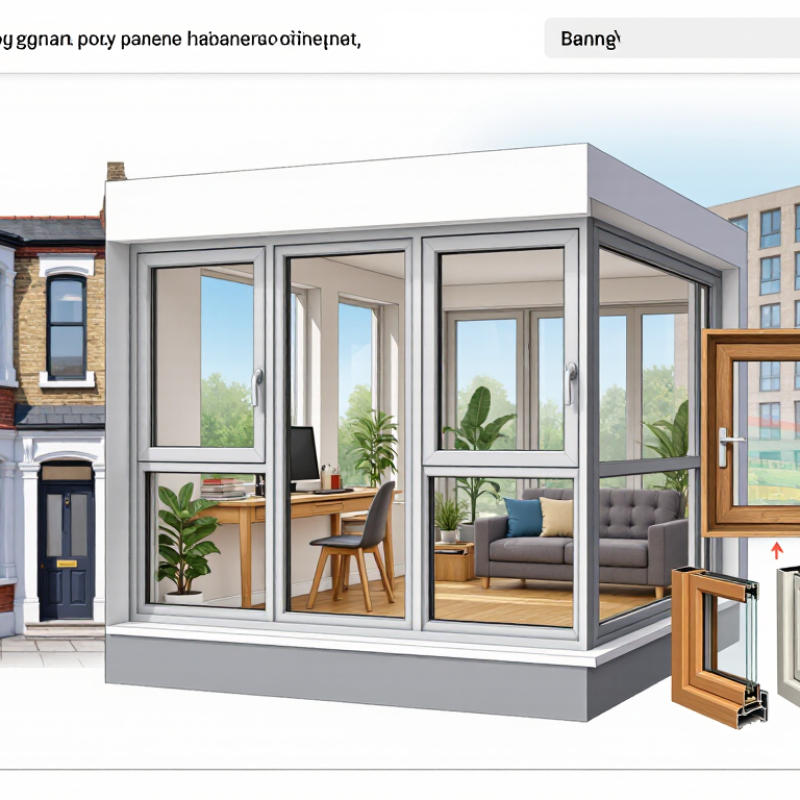
How to Choose the Best Double Glazing for Your Home?

What Double Glazing Is and How It Works

Double glazing uses two panes of glass separated by a narrow, sealed space. The gap usually contains air or an insulating gas, such as argon. This trapped layer slows heat moving between your rooms and the outdoors. A spacer holds the panes apart, while edge seals help keep moisture out. Some units also use low-emissivity coatings, which reflect heat back toward its source. It is a simple idea.

According to the U.S. Department of Energy, heat gain and loss through windows account for about 25–30% of residential heating and cooling energy use. That figure covers windows broadly, not double glazing alone, but it shows why glass performance matters. The National Fenestration Rating Council assesses window products for properties such as U-factor and solar heat gain coefficient. These ratings help compare how well a unit limits heat flow and admits sunlight. Look beyond pane count.

In practice, performance depends on the whole window, including the frame, seals, installation, and local climate. A well-rated unit can still disappoint if cold air slips around a poorly fitted frame. Condensation can also appear when indoor humidity is high or seals have failed. Double glazing is not magic. I would check the rating label and inspect the edge seals, rather than assuming every two-pane window performs alike.

Which Types of Double Glazing Are Available

Which types of double glazing are available depends on the glass, frame, and performance you need. Standard sealed units use two panes separated by a spacer and insulating gap. They can reduce heat loss and condensation compared with single glazing.

Low-emissivity glass has a thin coating that reflects heat back indoors, while an argon-filled gap can further limit heat transfer.

These options are common, but their benefits depend on correct sizing and installation.

Options for noise and insulation

Noise is a concern? Acoustic double glazing uses panes of different thicknesses or wider gaps to help reduce certain outside sounds. It may soften traffic noise, though it cannot make a room completely silent.

Triple glazing

Triple glazing adds a third pane and can improve insulation, but it is heavier and may not suit every existing frame. Check that the frame and hinges can support the extra weight.

Secondary glazing

Secondary glazing is another option: a separate pane is fitted inside the existing window. It can suit older homes where replacing the original windows is undesirable, though cleaning between panes can be awkward.

I would compare whole-window performance, not just the glass specification. A well-made unit installed poorly may still feel draughty near the sill.

Before choosing: Ask for clear details on glass type, gap, frame, and fitting method.

How to Compare Glass, Frames, and Energy Ratings

How to Choose the Best Double Glazing for Your Home?
How to Compare Glass, Frames, and Energy Ratings

A window is a system, not just two panes of glass. Compare the whole unit’s U-factor, which measures heat transfer; lower values mean better insulation. Also check the solar heat gain coefficient (SHGC), which indicates how much solar heat enters. The U.S. Department of Energy notes that windows can account for 25–30% of household heating and cooling energy use. That figure varies with climate, window area, and home design, so treat it as context, not a promise.

Glass choices matter. Low-emissivity coatings can reduce heat transfer, while gas-filled cavities may improve insulation. Frames matter too: insulated vinyl, timber, and thermally broken metal frames perform differently and need different levels of upkeep. Compare whole-window ratings from the National Fenestration Rating Council, rather than glass-only figures. In its guidance, ENERGY STAR says certified replacement windows can save 7–15% on energy bills compared with clear-glass, single-pane windows. Your savings may be smaller if you already have efficient glazing. Ratings aren’t the whole story.

Tips: Match SHGC to your climate and window direction. Ask for the exact U-factor and SHGC of the complete window, plus details on seals and installation. A brilliant rating won’t fix a poorly fitted frame. I’d also check sample corners and seals in person; paperwork can make products look more alike than they feel. Sources: U.S. Department of Energy, “Energy Efficient Windows”; ENERGY STAR, “Residential Windows, Doors & Skylights.”

How to Choose the Best Double Glazing for Your Home? - How to Compare Glass, Frames, and Energy Ratings

Compare the complete window’s performance, not just the glass. U-values below are indicative whole-window values (Uw) in W/m²K; actual results vary with window size, frame design, spacer, installation, and test method. Lower Uw means less heat loss.

Typical specification Glass and cavity Frame option Indicative whole-window Uw What to consider Often suitable for
Basic double glazing Two clear panes with an air-filled cavity Uninsulated or basic frame About 2.4–3.0 W/m²K Usually less efficient than low-emissivity (low-E) glass with an insulated cavity. Budget replacements where high thermal performance is not the main priority.
Low-E double glazing Low-E coating on a pane; air-filled cavity Well-sealed, insulated frame About 1.4–1.9 W/m²K The coating reduces heat transfer through radiation; compare the specified coating and whole-window test data. Many homes seeking a practical balance of cost and thermal performance.
Low-E with argon fill Low-E glass with argon gas in a sealed cavity Insulated uPVC, timber, or thermally improved metal frame About 1.2–1.6 W/m²K Argon can improve cavity insulation compared with air; correct cavity width and durable edge seals matter. Homeowners prioritising lower heat loss without moving to triple glazing.
Acoustic-focused double glazing Different pane thicknesses and, where specified, a wider cavity or acoustic laminated pane Well-sealed frame with suitable opening design Varies; request tested Uw and sound-reduction data Sound performance depends on the full assembly, seals, installation, and noise frequency—not glass thickness alone. Homes near roads, rail lines, or other persistent noise sources.
Solar-control double glazing Solar-control coating; configuration selected for the building and orientation Frame with good weather seals and appropriate ventilation provisions Varies by glass and frame; compare certified Uw Check the solar heat-gain value as well as Uw; reducing summer heat gain can also reduce useful winter sunlight. Strongly sun-exposed rooms or homes that overheat in summer.
High-performance triple glazing Three panes, typically with low-E coatings and gas-filled cavities Deep, well-insulated frame designed to support the heavier unit About 0.8–1.3 W/m²K Can reduce heat loss further, but adds weight and cost; check frame compatibility and whether the home benefits from the upgrade. Cold climates, exposed locations, or projects with demanding energy targets.

How to compare frames and ratings

  • Frame material: uPVC and timber frames are generally insulating; metal frames should include a thermal break to limit heat transfer. Performance depends on the specific frame design.
  • Whole-window rating: Ask for a certified Uw for the complete window in the size and configuration being quoted. Centre-pane glass values alone do not include the frame or edge effects.
  • Energy labels: Rating scales and grade names differ by country and assessment scheme. Compare products under the same current scheme, and check the label’s stated method and performance figures.
  • Other useful figures: Review air leakage, water tightness, wind resistance, solar heat gain, and visible light transmission where relevant to your climate and room orientation.
  • Installation: Poor fitting or failed seals can undermine a good specification. Include installation quality, warranties, and applicable building-code requirements in the comparison.

How to Choose Double Glazing for Your Climate and Home

How to Choose the Best Double Glazing for Your Home?

How to Choose Double Glazing for Your Climate and Home

Climate should guide your glass choice. In cold regions, low U-factor glazing helps slow heat loss and keeps rooms near windows more comfortable. In hot, sunny areas, a lower solar heat gain coefficient can limit afternoon heat and glare. The U.S. Department of Energy estimates that windows account for about 25–30% of residential heating and cooling energy use. That figure varies by home, but it shows why the specification matters. Check the National Fenestration Rating Council label for both U-factor and solar heat gain coefficient; a product that performs well in one measure may not suit every exposure.

Look at the room, too. A north-facing bedroom in a cool climate has different needs from a west-facing kitchen that gets strong evening sun. Low-emissivity coatings and gas-filled gaps can improve insulation, while well-fitted frames and careful installation help prevent drafts. Ask a qualified installer to assess the window opening, existing frame, and local weather patterns. Even excellent glass can disappoint if the fit is poor. One detail homeowners sometimes overlook: ventilation. Tighter windows may make existing moisture problems more noticeable.

Tips: Compare ratings, not just pane counts. Match the solar control to each façade, and ask for written performance figures. On a bright afternoon, notice where heat and glare collect. It is easy to focus on the coldest room and forget summer comfort; I would check both before choosing.

What to Check When Comparing Installation Quotes

How to Choose the Best Double Glazing for Your Home?

What to Check When Comparing Installation Quotes

A useful quote should describe more than the window price. Check the frame material, glass specification, opening style, and number of windows included. For example, a bedroom may need an opening window for ventilation, while a street-facing room may benefit from acoustic glass. Ask whether the quoted U-value applies to the whole window or only the glass. Those figures are not interchangeable.

Look closely at what installation includes. Does the price cover removing old frames, disposal, making good the plaster, and fitting new trims? Ask how installers handle uneven openings or signs of damp. A careful survey should record measurements and flag problems before work begins. Get the expected start date, project duration, payment schedule, and warranty terms in writing. Vague wording can cause trouble later.

Compare like with like. A cheaper quote may omit finishing work or use a different glass specification. Ask who will do the installation and how they check the finished fit. Do not rely on verbal promises; details are easy to forget. I have seen small gaps around a frame matter more than a polished brochure suggests. Still, even a thorough quote cannot predict every hidden issue behind an old frame.

How to Choose the Best Double Glazing for Your Home?

Compare the quoted whole-window U-value (Uw): lower values indicate less heat transfer. These are indicative examples, not guaranteed product specifications.

When comparing installation quotes, check the Uw value for the complete window—not just the centre of the glass—and confirm the stated specification, frame type and installation details in writing. Actual performance varies by product and size.

Article Source:

SERVO-ROBOT Inc
Privacy Overview

This website uses cookies so that we can provide you with the best user experience possible. Cookie information is stored in your browser and performs functions such as recognising you when you return to our website and helping our team to understand which sections of the website you find most interesting and useful.