
What is a CNC Turning Center and How Does It Work?

The CNC Turning Center is a vital tool in modern manufacturing. It combines precision and speed, enabling efficient production of parts. This technology allows for a variety of operations, including turning, drilling, and milling.

With a CNC Turning Center, complex designs become achievable. The machine operates using computer numerical control, which enhances accuracy. Many industries rely on this machinery for high-quality components. It saves time and reduces waste, making it an essential asset.

However, the process is not perfect. Operators must continually monitor settings to ensure optimal performance. Mistakes in programming can result in flawed products. Understanding the machine's intricacies is crucial for success. This highlights the need for well-trained personnel in the field. Exploring the CNC Turning Center offers insights into its operation and impact on manufacturing.
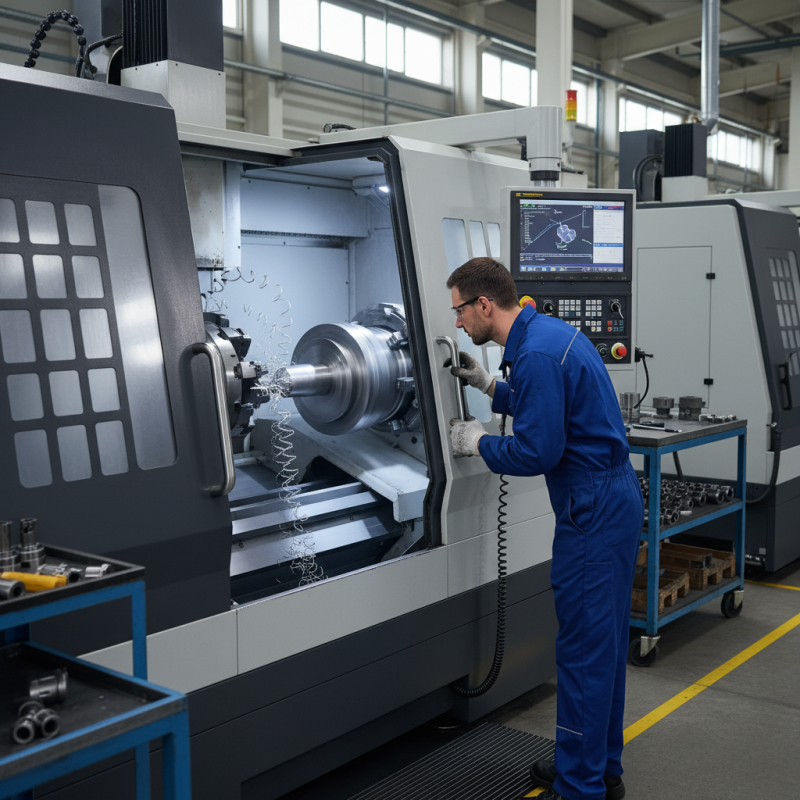
What is a CNC Turning Center and How Does It Work?

What is a CNC Turning Center?

A CNC turning center is a sophisticated machine used for shaping materials like metal and plastic. It combines the features of a lathe with the precision of computer numerical control (CNC). This machine rotates the workpiece against cutting tools, allowing for various geometries to be formed. The operator can program exact specifications, ensuring that each part is produced with high accuracy. The versatility of a CNC turning center makes it invaluable in manufacturing.

When operating a CNC turning center, it’s essential to maintain the cutting tools properly. Dull tools can lead to poor finishes and longer machining times. Regular inspections are crucial. Also, programming errors can cause mistakes in the final product. Paying close attention to details in G-code is vital.

If you're new to CNC machining, consider starting with simple designs. Mistakes can happen, especially if you push the machine too far too quickly. Ensure you spend time learning the controls and the software used for programming. Each project can teach you something valuable, even if the outcome isn't perfect. Reflecting on these experiences will enhance your skills over time.

Key Components of a CNC Turning Center

A CNC turning center is a crucial piece of equipment in precision machining. It automates the turning process, making it efficient. Key components include the spindle, tool holder, and control system. The spindle rotates the workpiece, while the tool holder secures the cutting tools. This setup allows for intricate designs and high production rates.

Data from the International Federation of Robotics indicates that CNC machines have increased manufacturing efficiency by 20% over the past decade. This shows the significant impact they have. Moreover, the control system plays a vital role in programming the machine for various tasks. Operators must understand the software interface well for optimal use.

**Tip:** Always check the tool wear regularly. Worn tools can affect precision. Replace them promptly to maintain quality.

Understanding the components helps in troubleshooting. For instance, if the spindle vibrates, it could indicate a misalignment. Addressing these issues early can save costs in the long run. Regular maintenance is essential for longevity.

How CNC Turning Centers Operate

CNC turning centers are essential in modern manufacturing. They use computer numerical control to automate the turning process. These machines can create precise cylindrical shapes from various materials. A workpiece rotates on a spindle while cutting tools shape it. The result is high accuracy and repeatability.

During operation, CNC turning centers follow programmed instructions. Operators input designs into the machine software. The system then generates commands for movement and cutting. As the workpiece spins, the cutting tool moves in predetermined patterns. This method reduces human error and speeds up production.

Tips for effective operation include regular maintenance. Ensure tools are sharp for optimal performance. Monitor the machine for unusual sounds or vibrations. Both could indicate a problem. Take time to check the software settings. Misconfigurations can lead to inaccuracies. Regularly reviewing processes can help improve efficiency. Small adjustments can lead to significant improvements.

Applications of CNC Turning Centers in Manufacturing

CNC turning centers play a vital role in modern manufacturing. They excel at creating precise cylindrical parts. These machines handle various materials, from metals to plastics. Their versatility allows manufacturers to produce components for various industries. This includes aerospace, automotive, and electronics. Each sector demands tight tolerances and high-quality finishes.

One significant application is in the production of shafts and fittings. These parts are critical in machines and vehicles. The accuracy of CNC turning ensures a perfect fit. It reduces assembly errors and improves overall efficiency. Additionally, CNC turning centers can automate intricate designs. This capability meets the growing demand for customized parts.

Tips: Always assess the machine's capability before starting. Not every turning center is suitable for every task. Consider the material and design complexity. Training operators is crucial for maximizing performance. Additionally, regular maintenance can improve machine longevity and output quality. Keep these factors in mind to optimize production efficiency.

What is a CNC Turning Center and How Does It Work? - Applications of CNC Turning Centers in Manufacturing

Feature Description Applications
Axis Configuration Typically has 2-4 axes including X, Y, Z and sometimes C-axis Used for complex geometries and multi-faceted machining
Automation Often equipped with automatic tool changers and material handling Mass production of precision parts
Material Compatibility Can work with a variety of materials including metals, plastics, and composites Manufacturing components for automotive, aerospace, and medical industries
Precision High precision with tolerances as tight as ±0.001 inches Critical components such as valve bodies and gear shafts
Speed High-speed spindle capabilities for efficient machining Suitable for high-volume production runs

Benefits of Using CNC Turning Centers for Precision Machining

CNC turning centers have transformed precision machining. They provide consistent and reliable results. These machines use computer numerical control to shape materials accurately. The automation allows for complex geometries that manual methods struggle with.

Using CNC turning centers, manufacturers can produce parts quickly. This speed often leads to reduced labor costs. However, initial setup can be time-consuming. Mistakes in the programming phase can lead to wasted materials.

Another advantage is the ability to operate continuously. Once programmed, a CNC turning center can run unattended for hours. This allows for higher production rates. But operators must monitor the machinery to address any issues promptly. Balancing efficiency with oversight can be challenging yet rewarding.

SERVO-ROBOT Inc
Privacy Overview

This website uses cookies so that we can provide you with the best user experience possible. Cookie information is stored in your browser and performs functions such as recognising you when you return to our website and helping our team to understand which sections of the website you find most interesting and useful.