How to Choose the Right Frequency Converter for Your Needs?
Choosing the right Frequency Converter can be challenging. There are many types available in the market. Each serves unique needs and applications. Understanding your specific requirements is vital.
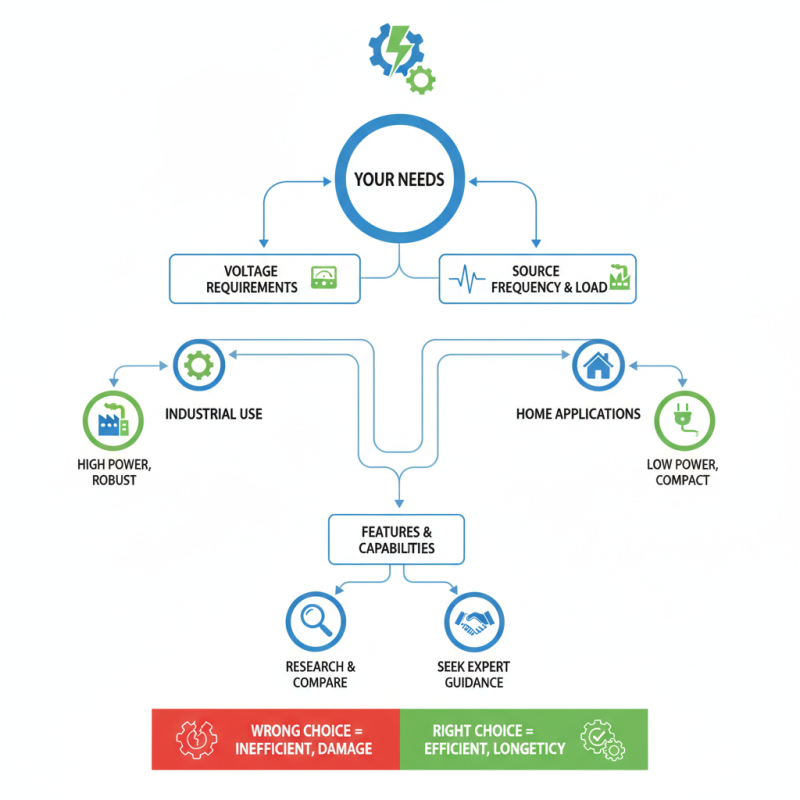
A Frequency Converter adapts electrical frequencies for various devices. Its correct selection affects performance, efficiency, and longevity. For instance, consider the voltage requirements of your application. Pay attention to the source frequency and load characteristics.
Not all converters are the same. Some are designed for industrial use, while others cater to home applications. Evaluating the features and capabilities of each model is necessary. Seek guidance from experts in the field. Their insights can help you make a well-informed decision. Remember, a wrong choice can lead to inefficiencies or equipment damage.
Understanding Frequency Converters and Their Applications
Frequency converters play a crucial role in various applications, from industrial machinery to renewable energy systems. Understanding their function helps in selecting the right type for specific needs. These devices adjust the frequency of electrical power supplied to equipment, enhancing efficiency and performance. In manufacturing, for instance, frequency converters can control motor speeds, leading to significant energy savings.
When choosing a frequency converter, consider the application requirements. Power rating, input voltage, and desired output frequency are key factors. Pay attention to the operating environment, as temperature and humidity can affect performance. Make sure to evaluate the characteristics of the load you plan to drive. Some loads may require specific converter types for optimal operation.
**Tip:** Assess potential future needs. An undersized converter may cause inefficiencies.
**Tip:** Consult with professionals or technical resources if uncertain about specifications. This can save time and resources in the long run.
Evaluate multiple options before making a decision. Each choice may have different implications for long-term operational success. Frequency converters can be a vital investment, so thorough research pays off.
Frequency Converter Efficiency by Type
This chart displays the efficiency rates of different types of frequency converters used in various applications. The data illustrates the performance of each type based on real-world usage.
Identifying Your Power Requirements and Constraints
Identifying your power requirements is the first step in choosing the right frequency converter. Start by determining the voltage and current needs of your application. Consider the operating environment as well. Is it harsh, or is it a controlled setting? Knowing these factors helps narrow down your options. A common mistake is underestimating power spikes or fluctuations. This can lead to equipment failure or inefficiency.
Next, assess any constraints you may face. Installation space might be limited, affecting the size of the converter you can use. Cooling requirements also play a crucial role. Ensure the converter you select can handle the thermal load of your system. Additionally, think about the compatibility with existing systems. Some converters require specific inputs and outputs. If these don’t align, it can lead to additional costs and complications.
Take the time to evaluate these elements thoroughly. Incomplete or rushed assessments can lead to poor choices. The right frequency converter should enhance performance and efficiency. Every detail counts, so consider them carefully to avoid future headaches.
How to Choose the Right Frequency Converter for Your Needs?
| Parameter | Description | Examples | Considerations |
| Input Voltage | The voltage level supplied to the converter. | 230V, 400V | Ensure compatibility with existing systems. |
| Output Frequency | The frequency at which the converter supplies power. | 50Hz, 60Hz | Match with the requirements of the equipment. |
| Power Rating | The maximum power output of the converter. | 1kW, 5kW, 10kW | Ensure the rating exceeds the requirements of your load. |
| Type of Load | The characteristics of the equipment being powered. | Inductive, Resistive | Different loads require different types of ac/dc conversion. |
| Environmental Conditions | The environment where the converter will be used. | Indoor, Outdoor, Dusty | Select a converter with suitable protection rating. |
| Control Features | Capabilities such as speed control, torque control. | PID Control, Vector Control | Consider your application's control needs. |
Key Features to Consider When Selecting a Frequency Converter
When selecting a frequency converter, consider several key features that directly impact efficiency and performance. The load type is crucial. Different loads, such as inductive and resistive, require distinct converter capabilities. Industry reports indicate that using the correct converter can enhance energy efficiency by up to 30%. This improvement can significantly reduce operational costs over time.
Another critical feature is the power rating. You should ensure the converter meets or exceeds the power requirements of your application. A converter operating at its limit may fail prematurely, leading to downtime. Research shows that converters designed with a 20% higher capacity than needed tend to perform better and have longer lifespans.
Remember to assess the control method. Basic control methods may suffice for simple applications, while sophisticated ones like vector control offer greater precision and energy savings. This choice can lead to a reduction in energy consumption of nearly 15%.
Tip: Always review temperature ratings for the environment in which the converter will operate. High temperatures can shorten the component life.
Tip: Investigate whether the frequency converter has built-in protection features. These can prevent unexpected failures and costly repairs.
In conclusion, understanding these specifications is vital to making a well-informed choice. Familiarizing yourself with each feature’s impact on your system will ensure reliability and efficiency.
Comparing Different Types of Frequency Converters
When selecting a frequency converter, understanding the types available is crucial. There are several types, including variable frequency drives (VFDs), static frequency converters (SFCs), and rotor speed controllers. Each type serves different applications. VFDs adjust motor speed and torque. They're ideal for HVAC systems and industrial applications. SFCs are more suitable for applications needing constant frequency.
Tip: Consider the required power output. This will determine which type suits your machinery best. Misjudging the power can lead to inefficient operation.
Another essential factor is the compatibility with your existing equipment. Different converters have various input/output specifications. Ensure that the converter aligns with your motor parameters.
Tip: Always assess how much flexibility you need. Some applications might evolve, necessitating future adjustments. This foresight can save you from unnecessary equipment upgrades later on. Frequent reflection on your operational needs helps in making informed decisions.
Evaluating Cost and Maintenance Factors for Frequency Converters
When evaluating frequency converters, cost and maintenance factors play crucial roles. Begin by understanding the initial investment required. Prices can vary widely based on specifications. A simple model might be more affordable, but it may lack features needed for your specific applications. Do consider potential operational savings as well, as more efficient models can reduce energy bills over time.
Maintenance costs also deserve attention. Some converters require regular inspections, adding to the long-term expense. Look for models with user-friendly designs. These often minimize downtime and reduce professional service needs. It may seem tempting to opt for a low-cost option, but it can lead to higher maintenance demands. Always assess the total cost of ownership rather than just the purchase price.
Take your time during this decision-making process. Rushed choices can lead to regrets. If unsure, consult with professionals. They can provide insights tailored to your needs. Reflect on previous experiences with machinery failures too. Learning from those situations can guide you toward more reliable options in the future. Your choice of converter should align with both your budget and operational requirements.