How to Choose the Right Dispensing Robot for Your Business?

Choosing the right dispensing robot for your business can be a daunting task. Understanding the specific needs of your operations is crucial. As industry expert Dr. Sarah Thompson says, “Selecting a dispensing robot requires careful consideration of both function and efficiency.” This highlights the importance of tailored solutions.

A dispensing robot should enhance productivity and precision in various applications. It's not just about choosing a robot; it's about aligning its capabilities with your goals. While many businesses rush to purchase, a thoughtful approach often yields better results. Evaluate your workflow and identify where automation can bring the most value.

There can be confusion around features and specifications. Not every dispensing robot meets every need. Each business is unique, and it's essential to find the right match. This process may reveal gaps in existing operations, prompting valuable reflections. Investing time in research will pay off in the long run.
How to Choose the Right Dispensing Robot for Your Business?

Understanding the Fundamentals of Dispensing Robots

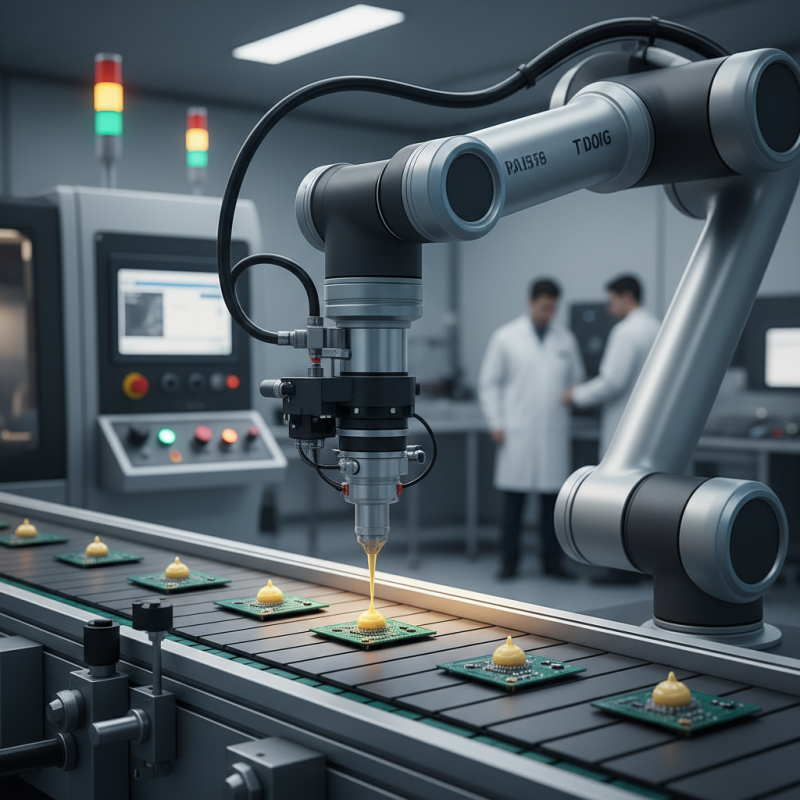
Dispensing robots play a vital role in modern manufacturing and automation. A solid understanding of their fundamentals is crucial for business owners. These robots efficiently handle the dispensing of liquids, adhesives, and other materials. They improve accuracy and speed, often reducing labor costs significantly.

Industry reports indicate that the global market for dispensing robots will reach $3 billion by 2025. This growth reflects increasing demand across various sectors, including electronics and pharmaceuticals. The ability to program dispensing tasks leads to enhanced precision, which is essential when working with small tolerances. However, businesses must also consider the complexities involved. Not all robots are suitable for every task, making it essential to evaluate specific requirements.

Configuration is often a nuanced process. Some robots may work well in controlled environments but struggle in dynamic settings. Factors like speed, accuracy, and the type of materials are critical in selecting the right model. Furthermore, improper integration can lead to inefficiencies. Businesses should be prepared to invest time in training and maintenance. Embracing dispensing robots can revolutionize operations, but understanding the fundamentals is key to successful implementation.
Identifying Your Business Needs and Objectives

When choosing a dispensing robot, understanding your business needs is vital. Many companies struggle to define these needs clearly, leading to mismatched investments. A recent report from the International Federation of Robotics indicates that 58% of businesses do not conduct thorough needs assessments before acquiring automation solutions. This gap can lead to inefficiencies and wasted resources.

Moreover, companies should identify specific objectives. Are you aiming to improve speed, enhance precision, or reduce labor costs? According to the 2022 Global Automation Survey, 62% of manufacturers reported that automation helped reduce operational costs significantly. However, without a clear understanding of what you want the robot to achieve, these benefits may not be fully realized.

It's essential to engage your team in the decision-making process. Different roles may have varying perspectives on what is needed. Some may prioritize flexibility, while others may focus on volume. The most effective solutions arise from a consensus that reflects diverse needs. However, it's common for companies to overlook this collaborative approach, leading to decisions that may not serve everyone’s interests. Consider taking a step back and analyzing your expectations.

Evaluating Different Types of Dispensing Robots

How to Choose the Right Dispensing Robot for Your Business?

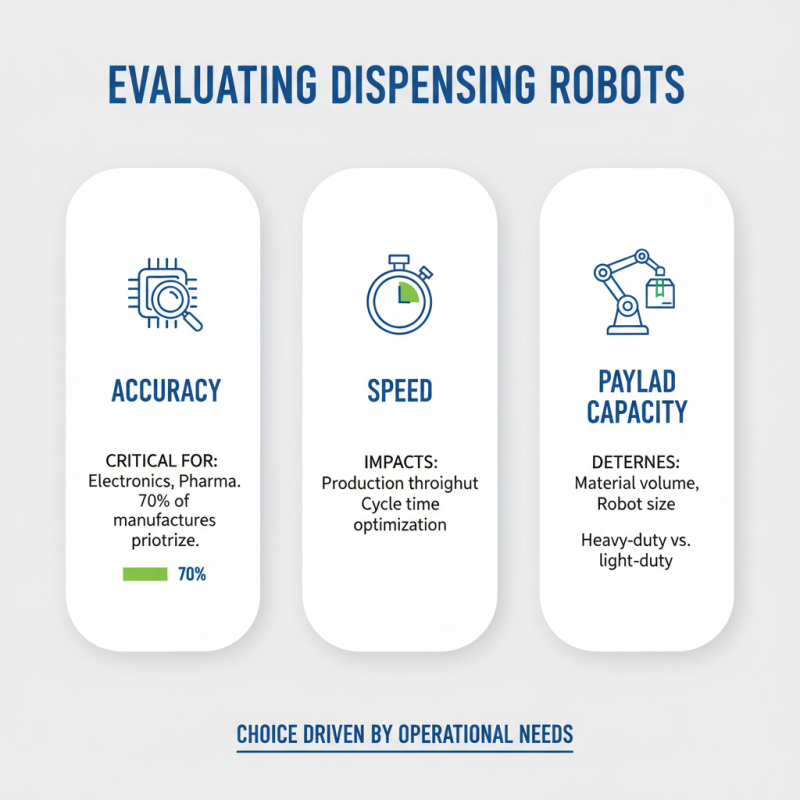
When evaluating different types of dispensing robots, businesses must consider specific operational needs. The choice often hinges on factors like accuracy, speed, and payload capacity. An industry report indicated that around 70% of manufacturers prioritize precision in their dispensing tasks. This is critical for sectors like electronics and pharmaceuticals, where even minor errors can lead to significant product issues.

Types of dispensing robots vary widely in design and function. For instance, Gantry robots excel in high-volume tasks but may lack flexibility. Robotic arms, on the other hand, offer greater versatility. A study suggests that companies using robotic arms improve their productivity by up to 30%. Still, these robots can be complex to program, which may require additional training for staff.

Not all dispensing robots are suited for every application. Businesses should conduct thorough assessments to avoid misalignments between robot capabilities and operational demands. Failure to do so may result in costly inefficiencies, including downtime or subpar product quality. Acknowledging these potential pitfalls can inform better investment decisions in automation technology.

Assessing Key Features and Specifications

Choosing the right dispensing robot requires a careful assessment of key features and specifications. Your business needs may vary widely, but certain elements remain critical. Look for accuracy in dispensing. This ensures that the right amount of material is applied each time. Evaluate the robot’s speed, as a fast dispensing unit can significantly enhance production efficiency.

Consider the ease of use and setup. A user-friendly interface can save time during operation. Is it easy to program? Can your staff adapt quickly? These questions are vital to ensuring smooth integration. Robustness is another feature to ponder. A durable robot can withstand the rigors of constant use, minimizing downtime.

Finally, evaluate the flexibility of the dispensing robot. Can it handle various material types? This adaptability allows your business to pivot as needed. Ensure to reflect on your specific needs and possible future changes in production. A thorough analysis of these specifications will guide you to a suitable choice, aligning the robot's capabilities with your operational objectives.

Dispensing Robot Specifications Overview

This chart compares two different dispensing robots based on key specifications such as speed, precision, load capacity, footprint, and cost. Making an informed choice requires assessing these dimensions to determine which robot best fits your business needs.

Comparing Costs and Return on Investment

When evaluating the costs of a dispensing robot, businesses need to look beyond the initial purchase price. Maintenance and operational costs add to the total expenditure. Training employees to use the robot effectively is an ongoing expense too. Many companies overlook these factors, leading to budget overruns.

Return on investment (ROI) is crucial. A high-quality dispensing robot can increase efficiency and reduce labor costs over time. However, it may take months, or even years, to see significant returns. Businesses must assess their production needs and volume to determine the right fit. Inefficient robots can lead to wasted resources and frustration. Miscalculating these needs can hinder potential benefits.

Moreover, the savings generated must justify the costs. Analyzing similar case studies can provide valuable insights. Understanding how other businesses achieved their ROI helps in making informed choices. Evaluating all these aspects is essential for sound decision-making. Striking a balance between upfront costs and long-term gains defines the real value of a dispensing robot.

SERVO-ROBOT Inc
Privacy Overview

This website uses cookies so that we can provide you with the best user experience possible. Cookie information is stored in your browser and performs functions such as recognising you when you return to our website and helping our team to understand which sections of the website you find most interesting and useful.