Choosing the right robot control solutions is crucial for modern businesses. As industries evolve, automation remains central to success. Many companies grapple with the challenge of selecting the best technology. With numerous options available, understanding your specific needs is essential.
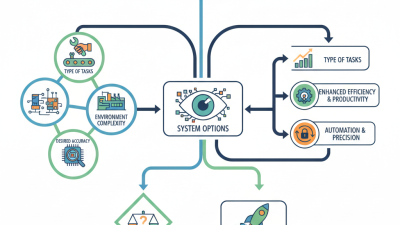
Robot control systems can significantly enhance efficiency. They streamline operations and reduce human error. However, choosing the best system is not straightforward. Factors such as the size of operations and types of tasks affect decisions. Businesses must evaluate the technical capabilities of each solution. Look for user-friendly interfaces and adaptable features.
Engaging with experts can provide clarity. Consulting experienced professionals helps to identify potential pitfalls. Often, companies overlook the importance of ongoing support and training. This oversight can lead to significant setbacks. Therefore, investing time in research and expert advice is necessary. The right robot control technology could be a game changer for your business.

Identifying your business needs for robot control solutions is crucial for success. The unique requirements of your operations will dictate the type of robot control system you should choose. Begin by assessing your current workflows. Identify repetitive tasks that could benefit from automation. This evaluation will give you clarity on where robots can add value.
Consider the specific features you need. Are you looking for precision in manufacturing? Or perhaps flexibility in logistics? Make a list of essential functionalities. This should include speed, scalability, and ease of integration. These details matter. They help you align your choice with your operational goals.
Engage your team in this process. Their insights can guide you towards practical solutions. They understand daily challenges and can highlight areas for improvement. Be open to their feedback. It may lead you to discover requirements you hadn’t considered. By thoroughly identifying your needs, you pave the way for effective robot control solutions tailored to your business.
When evaluating robot control technologies for your business, several key types deserve attention. Centralized control systems offer simplicity and ease of implementation. They manage multiple robots from one location, allowing for streamlined operations. However, they may struggle with scalability and flexibility, particularly in dynamic environments. Recent industry data indicates that centralized systems are favored by 45% of small to medium-sized enterprises due to their initial cost effectiveness.
Distributed control systems, in contrast, empower each robot with autonomous decision-making capabilities. This results in improved adaptability, especially in complex tasks. According to a report by the International Federation of Robotics, 32% of businesses implementing distributed systems reported enhanced productivity. Still, these systems require robust communication networks to function effectively, which may present challenges in certain settings.
When selecting a control solution, consider system complexity and operational needs. Engage with technical experts to evaluate your specific requirements before committing to a choice. Pilot testing can provide insights that data alone cannot reveal. Effective data analysis is critical to understand performance metrics, ensuring sustained efficiency. Always remain open to adjustments based on testing outcomes.
When selecting a robot control solution, compatibility with your existing systems is crucial. A comprehensive analysis of your current infrastructure is essential. Identify software and hardware components that are in use. This understanding will guide you in finding a solution that aligns with your needs.
Consider the integration process. Some systems may require extensive modifications, leading to downtime. Unexpected complications can arise during integration, which might disrupt operations. A flexible solution that meshes well with your existing platforms is preferable. Look for adaptable interfaces and open architecture designs that simplify integration.
Evaluate the long-term support provided by the chosen solution. Regular updates and effective customer support can significantly impact your operations. Make sure to read reviews and seek recommendations from experienced users in your industry. Real-world experiences highlight the importance of reliable support. This can save time and resources in the long run.
When evaluating robot control solutions, cost-effectiveness is a pivotal factor. Businesses must assess not only the initial investment but also the long-term maintenance costs. Solutions can vary in complexity and functionality. Simpler systems may appear cheaper but could lead to inefficiencies. More advanced systems might be pricier upfront but offer greater reliability and lower operational costs over time.
Another aspect to consider is scalability. As your operations grow, the robot control solution should adapt seamlessly. Some systems may require costly upgrades or replacements, impacting overall cost-effectiveness. It’s vital to reflect on how each solution can evolve with your needs. Additionally, training staff is essential. Some solutions require specialized training, adding to total expenses.
Moreover, it’s important to weigh the potential return on investment. A seemingly high-cost solution may lead to significant productivity gains. Understanding the specific needs of your business can clarify which systems provide the best value. Reviewing case studies or consulting experts in automation could help in making informed decisions. Balancing present costs with future benefits is crucial for sustainable growth.
Choosing the right robot control solutions requires thorough research and trial implementation. Many businesses overlook the importance of hands-on experience. A staggering 70% of companies that test robotics in real environments report improved operational efficiency, according to a recent industry report. Yet, only 35% take the step to conduct such trials. Understanding this discrepancy is crucial for informed decision-making.
Implement trial programs to evaluate various solutions. Work closely with your teams to assess user experience and system integration. A 2022 study indicated that businesses that incorporated trial implementations reduced costs by about 20%. However, these trials often reveal unexpected challenges. Some teams struggle with adapting to new technologies. These hurdles can cause setbacks but also provide essential insights.
Rely on documented feedback from your trials. Collect data on performance metrics and employee satisfaction. Nearly 60% of participants in another report noted that real-world application clarified which solutions were more reliable. Trusting data over assumptions can transform your decision-making process. Acknowledge the need for continuous improvement and adjustments based on trial outcomes.
| Criteria | Description | Rating (1-5) | Notes |
|---|---|---|---|
| Ease of Use | How intuitive and user-friendly is the control interface? | 4 | Requires minimal training for operators. |
| Integration Capability | Ability to integrate with existing systems and platforms. | 5 | Compatible with most ERP and SCADA systems. |
| Scalability | How well does the solution scale with business growth? | 4 | Easily add new robots without major upgrades. |
| Support and Maintenance | Quality of customer support and maintenance services. | 3 | Response times could be improved. |
| Cost | Initial investment and total cost of ownership. | 3 | Competitive pricing, but additional fees for upgrades. |
| Security Features | Robustness of security measures to protect data. | 5 | Offers encryption and regular security updates. |