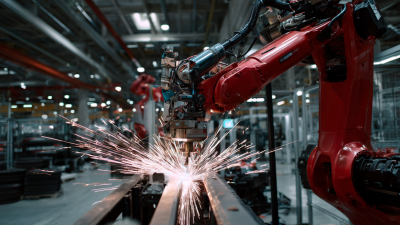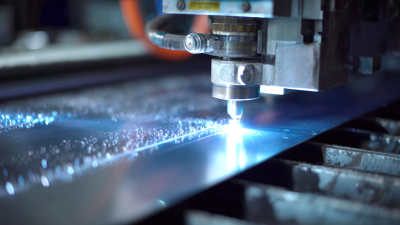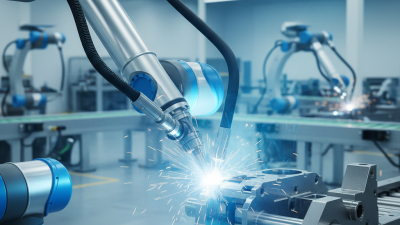
The integration of welding robots into manufacturing processes has transformed the industry significantly. According to a recent report by MarketsandMarkets, the global welding robots market is projected to reach $6.4 billion by 2025, illustrating a growing trend toward automation. Welding robots increase productivity and minimize human error, making them indispensable in high-demand sectors.
Welding robots not only improve quality but also enhance safety. The American Welding Society highlights that robotic welding can reduce workplace accidents by over 30%. Yet, transitioning to automated systems poses challenges. There are initial costs and the need for workforce retraining. However, the long-term savings and efficiency gains often outweigh these hurdles. Companies should critically assess their strategies to maximize the advantages of using welding robots. This careful evaluation can lead to significant operational improvements and competitive advantages.
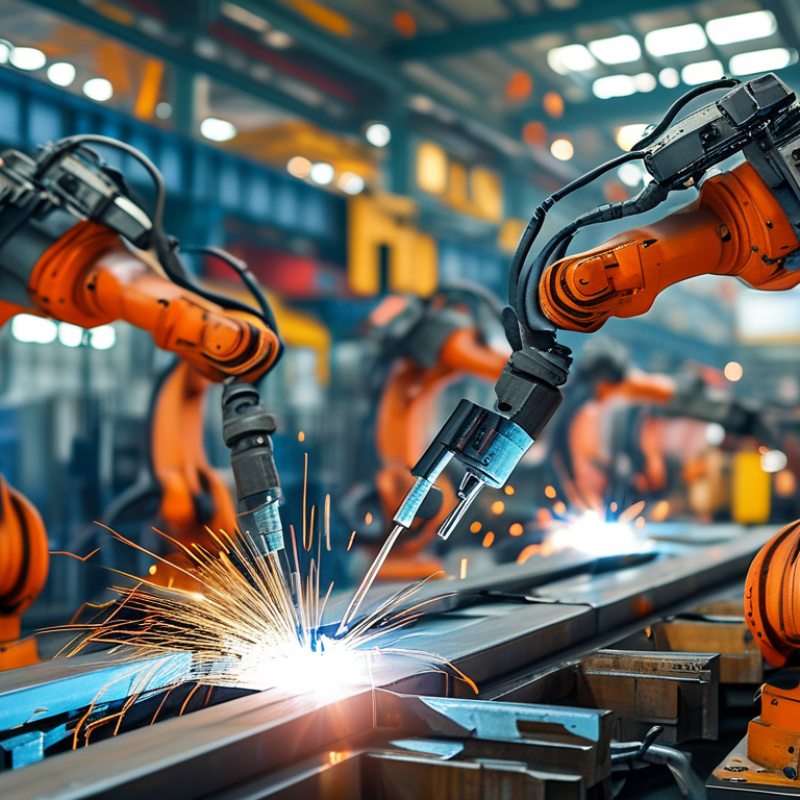
Automation in welding processes offers significant advantages for manufacturers. By integrating welding robots into production lines, companies can enhance precision and consistency. These machines execute tasks with high accuracy, reducing the likelihood of human error. This results in fewer defects and a higher quality product. Furthermore, robotic systems can operate continuously, increasing throughput and meeting higher production demands without fatigue.
Welding robots also improve workplace safety. Dangerous tasks that were once performed by humans can now be handled by machines, minimizing the risk of accidents. Nonetheless, this transition requires careful planning. Workers must be retrained to manage and work alongside robotic systems. The initial investment in automation may deter some businesses, but the long-term benefits often outweigh the costs. Companies should continuously evaluate their processes. It’s crucial to identify areas where automation can introduce more value and efficiency.
As manufacturers embrace technology, they must adapt to changing dynamics. The human workforce remains essential in overseeing robotic operations. Automation does not eliminate jobs, but it reshapes them. Striking the right balance between technology and human skill will lead to sustainable growth. Companies should consider the evolving landscape of manufacturing to remain competitive.
The use of welding robots in manufacturing significantly enhances precision and quality in welds. According to a study by the American Welding Society, robotic welding systems achieve a repeatability of ±0.05 mm. This level of precision minimizes defects and enhances the integrity of welds. Accurate and consistent welds reduce the need for rework, lowering costs and improving productivity in manufacturing lines.
Robotic systems also ensure a uniform heat distribution during welding. This characteristic results in fewer thermal-related defects, such as warping or distortion. Research indicates that companies employing robotic welding reported a 20% reduction in defect rates compared to manual welding processes. However, integrating robotics can pose challenges, as operators may require advanced skills to troubleshoot and program these systems effectively.
Moreover, while the technology offers exceptional accuracy, it is crucial to remember that not all welding applications may benefit equally from automation. Certain intricate designs demand human expertise for optimal results. Reliance on robots can sometimes lead to gaps in craftsmanship that need human oversight. Balancing robotic efficiency and human skills remains vital for achieving the best outcomes in manufacturing.
| Benefit | Description | Impact on Production |
|---|---|---|
| Enhanced Precision | Robots provide consistent weld quality with high precision. | Reduces rework and increases overall product quality. |
| Increased Efficiency | Robots operate continuously without breaks. | Significantly increases production rates. |
| Cost Reduction | Lower labor costs and reduced material waste. | Improves profit margins. |
| Safety Improvements | Lowers risk of workplace accidents. | Creates a safer working environment for staff. |
| Flexibility | Robots can be reprogrammed for different tasks. | Adapts to varying production needs easily. |
| Consistency | Delivers identical results in repetitive tasks. | Ensures uniformity in product outcomes. |
| Advanced Technology | Incorporates advanced features like AI and machine learning. | Enhances capabilities and opens new possibilities. |
| Reduced Setup Time | Quick adjustments minimize downtime. | Increases overall throughput. |
| Scalability | Easily scalable to meet growing production demands. | Supports business growth effectively. |
| Improved Weld Quality | Consistent heat and speed lead to stronger welds. | Enhances product durability and performance. |
Welding robots have transformed manufacturing by significantly boosting production speed and efficiency. These machines operate with precision, completing tasks faster than human welders. While human error can slow down processes, robots maintain consistent quality. This reliability ensures that the production line runs smoothly, leading to higher output rates.
Integration of welding robots allows manufacturers to optimize their workflows. They can work tirelessly in various shifts, reducing idle time. This efficiency often results in shorter lead times for projects. However, maintenance and initial setup can present challenges. Manufacturers must invest time and resources to ensure effective integration into existing systems.
Safety also plays a role in production speed. Welding robots can handle hazardous tasks, decreasing workplace accidents. Yet, the transition to automation requires careful planning. Training workers to collaborate with robots is essential for maximizing productivity. Companies must navigate these complexities to fully reap the benefits of robotic welding technology.
In the manufacturing world, workplace safety is paramount. Traditional welding methods can expose workers to dangerous fumes and high temperatures. By integrating welding robots, companies significantly reduce these risks. These robots operate in controlled environments, minimizing the likelihood of accidents. With their precise movements, they limit exposure to hazardous materials. Workers can focus on overseeing operations, enhancing overall safety.
Human error remains a critical issue in welding processes. Mistakes can lead to equipment damage and safety hazards. Welding robots provide consistent quality, reducing the chance for human error. They follow programmed specifications accurately, leading to better weld quality. Moreover, welding robots can perform repetitive tasks without fatigue. This reliability translates into fewer defects and rework needs.
However, transitioning to robotic welding isn't without challenges. It requires significant investments and training for staff. Not all businesses may be ready for this technological leap. Some workers may feel threatened by the automation of their jobs. Addressing these concerns is crucial for a smoother integration of robotic systems, ensuring both safety and efficiency in the workplace.
Welding robots are revolutionizing the manufacturing sector by driving substantial cost savings. A recent study by the International Federation of Robotics reveals that companies using welding automation can achieve a productivity increase of up to 40%. This automation reduces labor costs significantly, potentially yielding a return on investment (ROI) as high as 200% over a few years. Lowered labor costs combined with increased production speeds lead to more efficient operations.
A major concern for manufacturers is the initial investment. However, the decrease in manufacturing defects due to robotic precision can lead to savings in material costs. According to industry experts, companies can reduce rework costs by about 30% through the use of welding robots. This precision also enables companies to allocate resources more efficiently, further enhancing ROI.
For those considering adopting welding robots, it is crucial to evaluate the total cost of ownership. Regular maintenance and training programs for operators can prevent downtime and productivity loss. Investing in the right technology and workforce preparation pays off. Employers should also regularly review productivity metrics to ensure they are on track with their ROI goals.