
Pneumatic Actuators play a crucial role in modern industrial applications. These devices convert compressed air into mechanical motion, offering reliability and efficiency. Many industries rely on pneumatic actuators for precise control and powerful performance. They are widely used in automation systems, where speed and accuracy matter.
One significant advantage of pneumatic actuators is their quick response time. They can operate faster than many electric or hydraulic alternatives. This is vital in production environments where every second counts. Their simplicity also contributes to lower maintenance costs. Fewer moving parts reduce wear and tear, leading to prolonged service life.
However, there are challenges to consider. Pneumatic actuators require a constant air supply. If the supply is interrupted, operations can halt. Also, air quality can impact performance. Contaminants in the air may cause failures down the line. Despite these issues, the benefits they offer often outweigh the drawbacks.
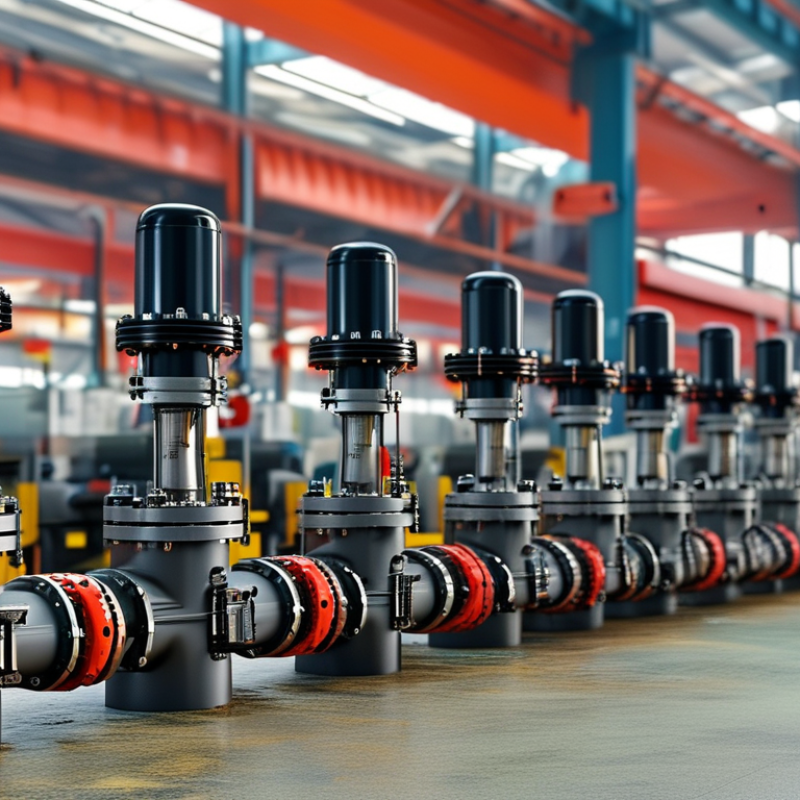
Pneumatic actuators are becoming increasingly popular in industrial applications. Their efficiency and reliability are essential for many sectors. According to industry reports, pneumatic actuators can improve cycle time by up to 30%. This speed can significantly enhance production output.
The use of pneumatic systems also contributes to energy savings. Data indicates that these actuators consume less energy than electric counterparts. Additionally, they operate in hazardous environments better. Their ability to function without electricity reduces fire risks, making them safer for use in hazardous industries.
Tip: Regular maintenance of pneumatic systems ensures longevity. Scheduled checks can help avoid unexpected downtime and costly repairs.
Pneumatic actuators have a straightforward design that simplifies installation. This ease of use can lead to reduced labor costs during setup. However, operators must be aware of potential air quality issues in the system. Contaminated air can cause actuator failure and inefficiency.
Tip: Consider using air filters in your setup. Clean air helps maintain optimal performance and extends actuator life.
Pneumatic actuators play a vital role in various industrial applications. They use compressed air to create motion, offering quick and efficient operation. Typically, these actuators convert energy from compressed air into mechanical movement. This is crucial in processes like automation and machinery control. Understanding how they function can enhance their effectiveness in your operations.
Pneumatic actuators are often favored for their speed and reliability. They can deliver rapid strokes, operating under heavy loads without overheating. However, they may require regular maintenance to prevent wear and tear. Neglecting this aspect can lead to unexpected downtime, which is costly in industrial settings. It’s essential to monitor pressure levels and inspect components frequently.
When implementing pneumatic actuators, consider the environment. They perform best in conditions free from moisture and contaminants. Air quality directly impacts their lifespan and efficiency. Regularly check for leaks and ensure your air supply meets the required standards. Take the time to review operational efficiency and make adjustments as needed. This careful approach helps in avoiding common pitfalls.
Pneumatic actuators are gaining traction in industrial settings for their efficiency and speed. These devices convert compressed air into mechanical motion. This rapid responsiveness enables quick operations, making them ideal for assembly lines. In many cases, they outperform electric or hydraulic systems. Industries benefit from reduced cycle times and increased output.
Another advantage lies in their simplicity and ease of maintenance. Pneumatic actuators have fewer moving parts than their counterparts. This minimal design reduces the risk of mechanical failure. However, the reliance on air compressors does present some challenges. Compressed air systems can be loud and may require regular maintenance to ensure optimal performance. Operators must evaluate these factors when integrating pneumatic solutions.
The ability to control speed and force provides a significant edge. Operators can adjust air pressure to tailor actuator performance. This versatility is essential in applications that demand precision. Yet, careful calibration is necessary; over-pressurizing can lead to system inefficiencies or failure. Balancing speed with reliability is crucial for successful implementation.
Pneumatic actuators have gained popularity in industrial applications, primarily due to their cost-effectiveness. Studies indicate that implementing pneumatic systems can lead to significant long-term savings. According to a report by the National Fluid Power Association, businesses could save up to 30% on energy consumption by switching to pneumatic systems from electric ones. This efficiency translates to lower operational costs over time.
Maintenance plays a crucial role in the overall cost-effectiveness of pneumatic systems. These systems often require less maintenance compared to hydraulic alternatives. A survey conducted by the International Society of Automation revealed that 68% of maintenance professionals prefer pneumatic actuators due to their reliability and reduced need for complex servicing. This reliability can mitigate costly downtime in production, which is essential for many industries.
However, cost-effectiveness is not solely based on initial investments or maintenance savings. It is also about system performance over the long haul. While pneumatic actuators may incur higher upfront costs, their durability often compensates for this. An analysis from the American Society of Mechanical Engineers noted that the lifecycle costs of pneumatic systems typically are 5-10% lower than their counterparts when preferred maintenance practices are applied. Nevertheless, some companies may find the transition daunting, requiring careful planning to maximize benefits.
Pneumatic actuators offer remarkable versatility in various industrial applications. Their design allows them to operate in environments where electric actuators might falter. Industries ranging from food processing to automotive manufacturing rely on these devices for tasks such as valve control and material handling. The adaptability of pneumatic actuators is evident in their ability to handle a wide range of pressures, making them suitable for different operational demands.
In food processing, pneumatic systems are invaluable. They ensure hygienic operation during conveyor belt movements and packaging. The rapid response of pneumatic actuators is crucial in these settings. However, the potential for air leaks can lead to decreased efficiency. Regular maintenance is essential to mitigate this issue.
Similarly, in automotive assembly lines, precise control is vital. Pneumatic actuators excel in high-speed applications, but the challenge lies in ensuring consistent performance across varying conditions.
Another area of use is in pharmaceutical manufacturing, where cleanroom standards are paramount. Pneumatic actuators can be designed to fit these stringent requirements, allowing for seamless production. Despite their advantages, considerations such as energy consumption and system complexity should not be overlooked. Balancing benefits with potential downsides is important for optimal performance. These factors highlight the need for ongoing evaluations in pneumatic actuator applications.
Pneumatic actuators play a vital role in various industrial applications, offering numerous benefits that enhance operational efficiency. These devices utilize compressed air to create motion, making them exceptionally fast and effective in automating processes. The speed and efficiency of pneumatic actuators lead to significant increases in productivity while also reducing operational costs over time.
Moreover, the versatility of pneumatic actuators allows them to be employed across diverse industries, from manufacturing to automation, making them indispensable in modern industrial settings. Their design promotes safety and reliability, ensuring a secure work environment by minimizing the risks associated with mechanical failures. Overall, the integration of pneumatic actuators in industrial applications not only improves efficiency but also drives long-term cost savings and enhances workplace security.